WHERE HE STARTED
THE PROBLEM WASN’T TALENT.
But when Coach Steve coached him in games, he kept seeing the same thing: Joseph was on his heels, using a bat that was too heavy for him, and pulling off the baseball. He was hitting last in the order.
The frustrating part was that you could see what he was capable of. The problem wasn’t a lack of talent. He just didn’t know how to organize that talent into an efficient swing yet.
At the time, Coach Steve was his coach, but the two hadn’t started training together. Then they did.
THE WORK
FIRST, THEY BUILT THE MOVEMENT.
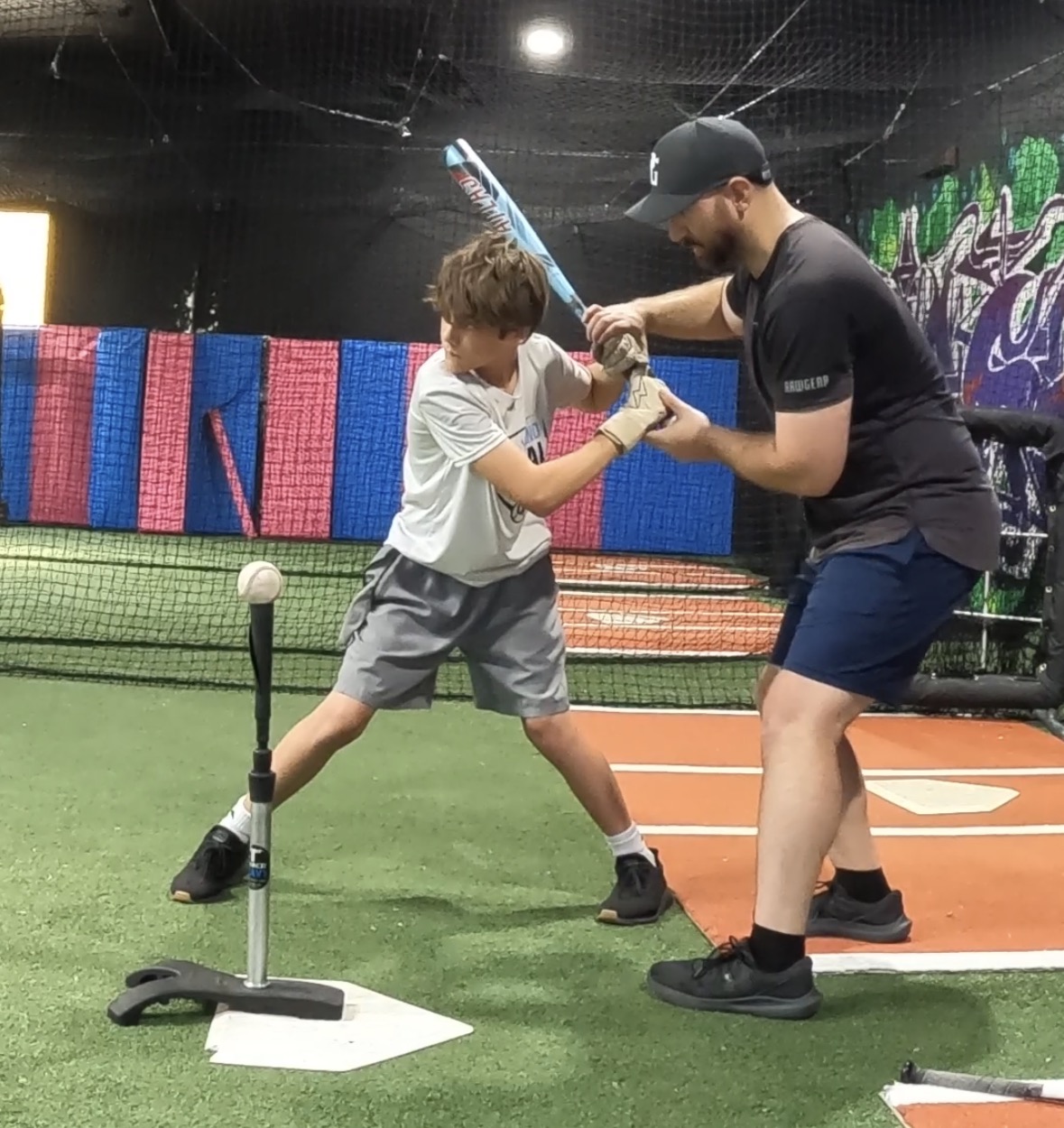
They changed the bat. They cleaned up how he loaded. Little by little, everything started connecting.
Changed the bat
He was using a bat that was too heavy for him. Coach Steve moved him from a 33-inch bat to a lighter 31-inch, and his average bat speed climbed from 46 to 59 to 61 mph.
Cleaned up the load
He learned how to create a real negative move instead of falling back onto his heels.
Controlled the forward move
His body started working together instead of fighting against itself, so he could stay through the ball instead of pulling off it.
THE REPS BEHIND IT
A BEAUTIFUL SWING STARTED SHOWING UP.
TRAINING · FRONT SIDE
TRAINING · LOWER HALF
The hitter who was falling back and pulling off the ball started staying through it. The swing became more controlled. More connected. More explosive.
THEN CAME THE NEXT PROBLEM
A HEAVIER DEMAND ON HIS BRAIN.
But that wasn’t the end of Joseph’s development. It was really the beginning. Because having a better swing means nothing if you can’t use it when the game speeds up.
Joseph was still having trouble recognizing pitches. When velocity increased or the ball started spinning, his decision-making couldn’t always keep up with his physical ability.
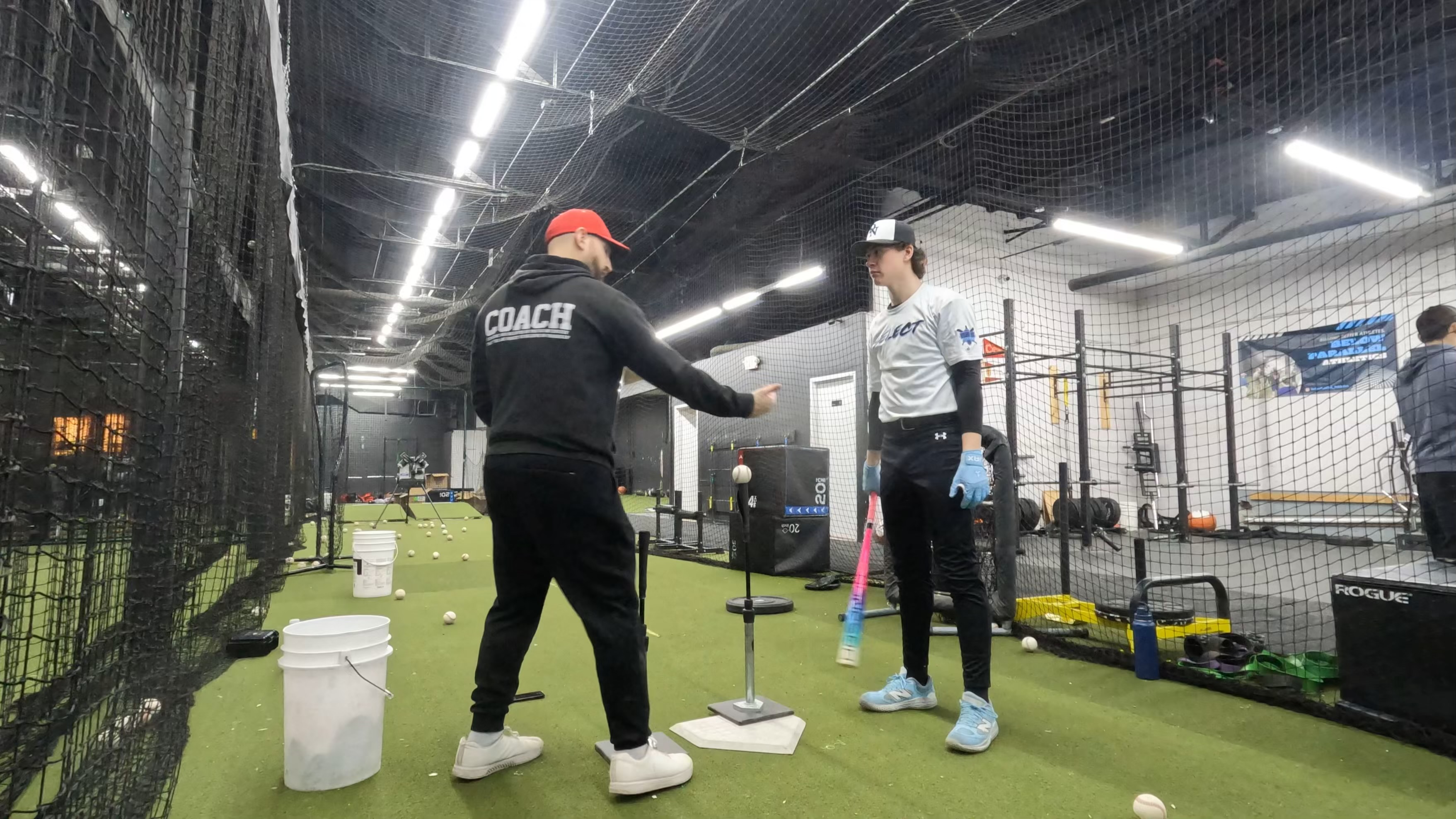
So instead of making everything easier for him, Coach Steve went the other direction. He made training harder. He introduced Joseph to what he considers another form of overload training.
Not a heavier bat. A heavier demand on his brain.
Coach Steve started exposing him to velocity and breaking balls above what he was consistently seeing in games. Joseph had to track faster pitches, recognize spin earlier, and decide whether to swing in less time, then still organize the swing they had spent all that time building.
And at first? He struggled. That’s the point. He missed pitches. He made bad decisions. He got beat. But he kept competing. Then he started adjusting.
THE NEXT DAY
EVERYTHING LOOKED DIFFERENT.
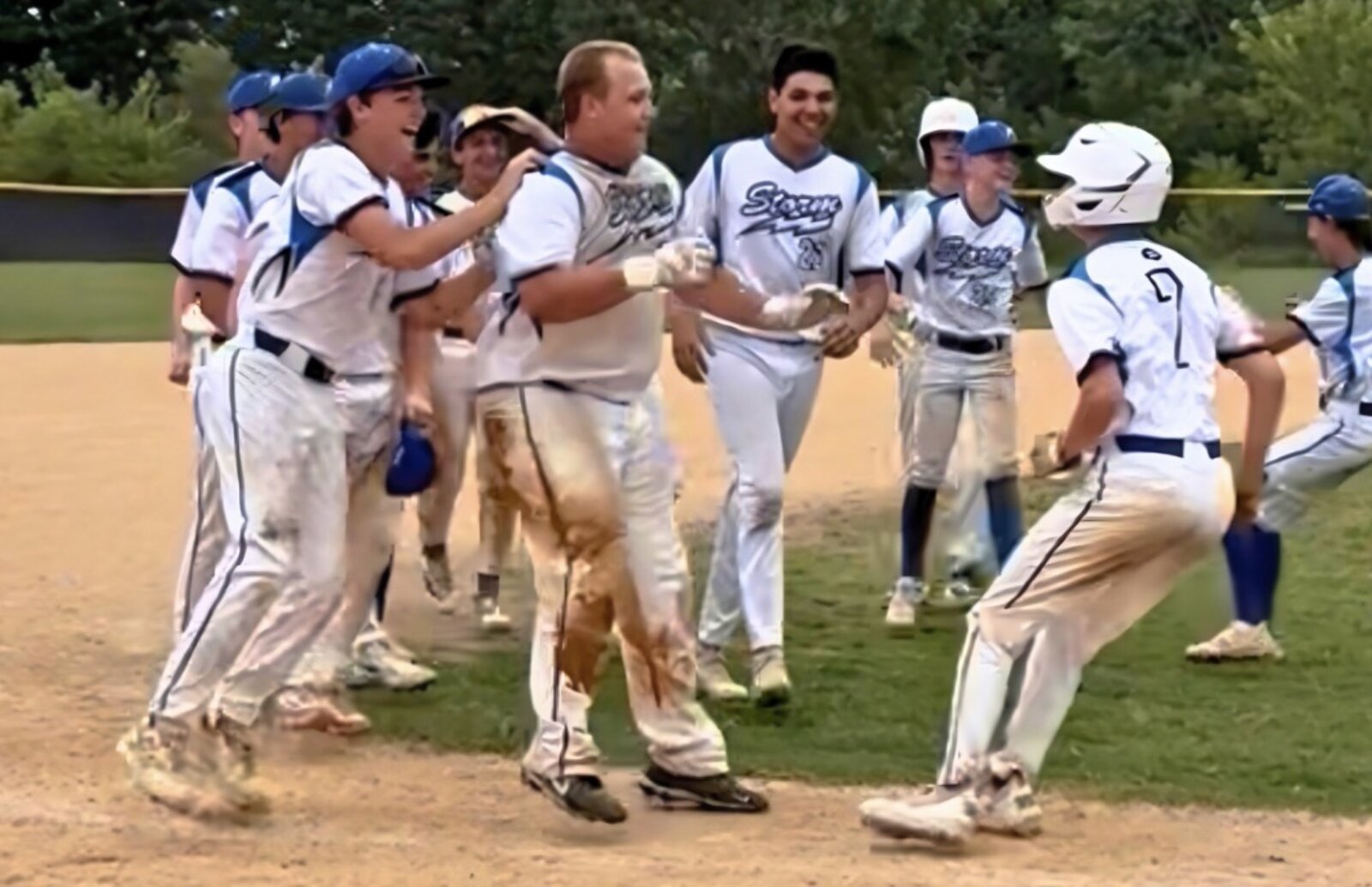
Hard contact. Then another one. Then another one. The same hitter who had struggled when the difficulty went up was suddenly seeing the ball differently.
6 hits. 2 doubles. 4 RBIs.
He went from hitting last in the order to hitting second, consistently.
WHERE HE IS NOW
MORE THAN A PRETTIER SWING.
Joseph’s transformation wasn’t simply about building a prettier swing. It was about taking an athletic kid who was pulling off the baseball and teaching him how to organize his body, see the ball, make faster decisions, and use his ability when the game demanded it.
That’s what the cage is supposed to do.
Build the movement. Challenge the movement. Train the eyes and brain. Prepare for the game.
Train above the level you’re currently playing at, and eventually your current level starts to slow down.