I lived every step as a player.
From Long Island's top-ranked high school prospect to a D1 All-American, the College World Series, Cape Cod League, and Big 12 baseball, I experienced the preparation, pressure, success, setbacks, and adjustments that shape a hitter.
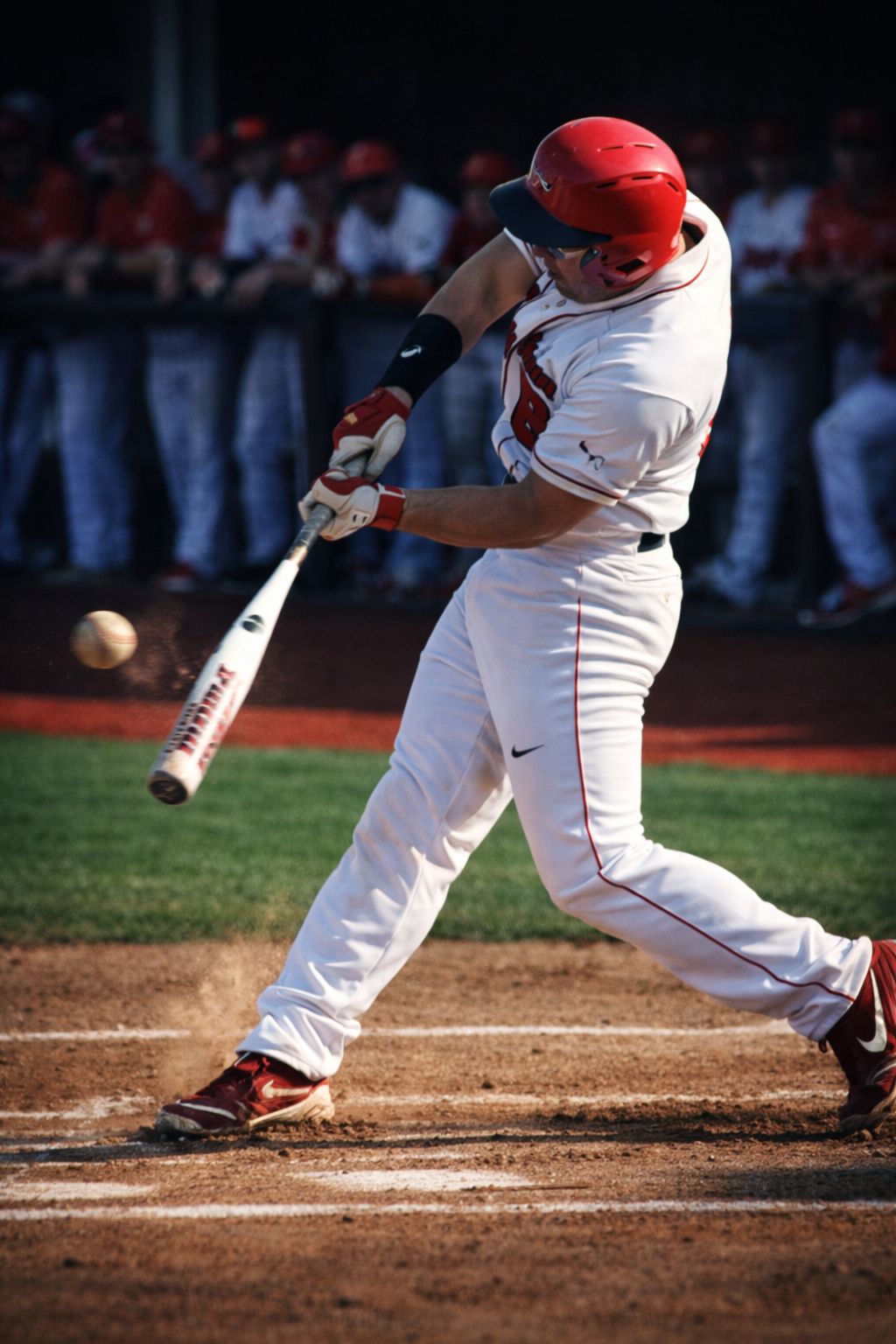
Talented. Never taught.
- D1
- All-American
- 2012
- College World Series
- 10+
- Years Coaching Hitters
I was a talented player. I was the No. 1 prospect on Long Island and played at the highest level of college baseball. But I never truly learned how to play the game. Nobody taught me hitting mechanics, situational hitting, how to approach a count, or how to judge an at-bat beyond the result.
So when I struggled, I didn't know why. I chased perfection, over-adjusted, and ended up competing against my own thoughts instead of the pitcher. I believe it limited my career.
I coach so young players don't repeat that.
My hitters should know what they're doing, why they're doing it, and how to adjust on their own. They step in with a plan: the count, the situation, the pitch they're hunting. And when they fail, they adjust instead of questioning everything.
The road that shaped the coach.
- No. 1Ranked prospect on Long IslandBlue Chip Prospects · Class of 2011
Long Island's No. 1 Prospect
Ranked the No. 1 high school baseball prospect on Long Island and one of the top-ranked players in New York State.
- Stony Brook University
D1 All-American · 2012 College World Series
Named a 2012 Louisville Slugger Freshman All-American and part of the Stony Brook team that reached the College World Series.
 Cape Cod League · Big 12
Bourne Braves · University of Kansas
Called up to the Cape Cod League's Bourne Braves as a freshman before continuing his Division I career at the University of Kansas.
Success required more than talent. It required preparation, awareness, confidence, and the ability to adjust.
Full playing résumé
- Stony Brook University — NCAA Division I
- Louisville Slugger Freshman All-American, 2012
- 2012 College World Series
- University of Kansas — Big 12
- Bourne Braves — Cape Cod Baseball League
- Waterloo Bucks — Northwoods League
- Hornell Dodgers — New York Collegiate Baseball League
- Long Island Collegians — Atlantic Collegiate Baseball League
- No. 1-ranked Long Island prospect — Blue Chip Prospects, Class of 2011
The pride of Long Island.
A go-ahead home run in the 10th inning of Game 1. LSU came back and won that night; we won the next two and went to Omaha. I bring it up with players for one reason: what happens in a moment like that is decided long before the pitch, in how you prepared and what you were looking for.
Three lessons I coach every day.
A good swing is only part of hitting
Mechanics matter, but so does the count, the pitcher's plan, what you are willing to swing at, and where the strike zone actually is. A hitter needs both.
Every hitter has to adjust
One bad result does not automatically mean the swing is broken. Learning to read the at-bat and adjust is what keeps a hitter from chasing fixes they do not need.
Confidence comes from preparation
The hitters who stayed confident were the ones with an approach, a routine, and a plan for the moments that got difficult. Confidence followed the preparation.
Those lessons are why I coach the entire hitter, not only the swing.
I don't just teach the swing. I teach the hitter.
The goal is not to give a player instructions forever. It is to help him understand what he sees, recognize what the pitch is asking for, and execute with confidence.
Explain
What we're looking for, in plain language.
Recognize
Reading the pitch before deciding to swing.
Execute
Taking it into a full-speed swing.
One correction at a time. When the feel is right, you name it. When it's named, he can find it again.
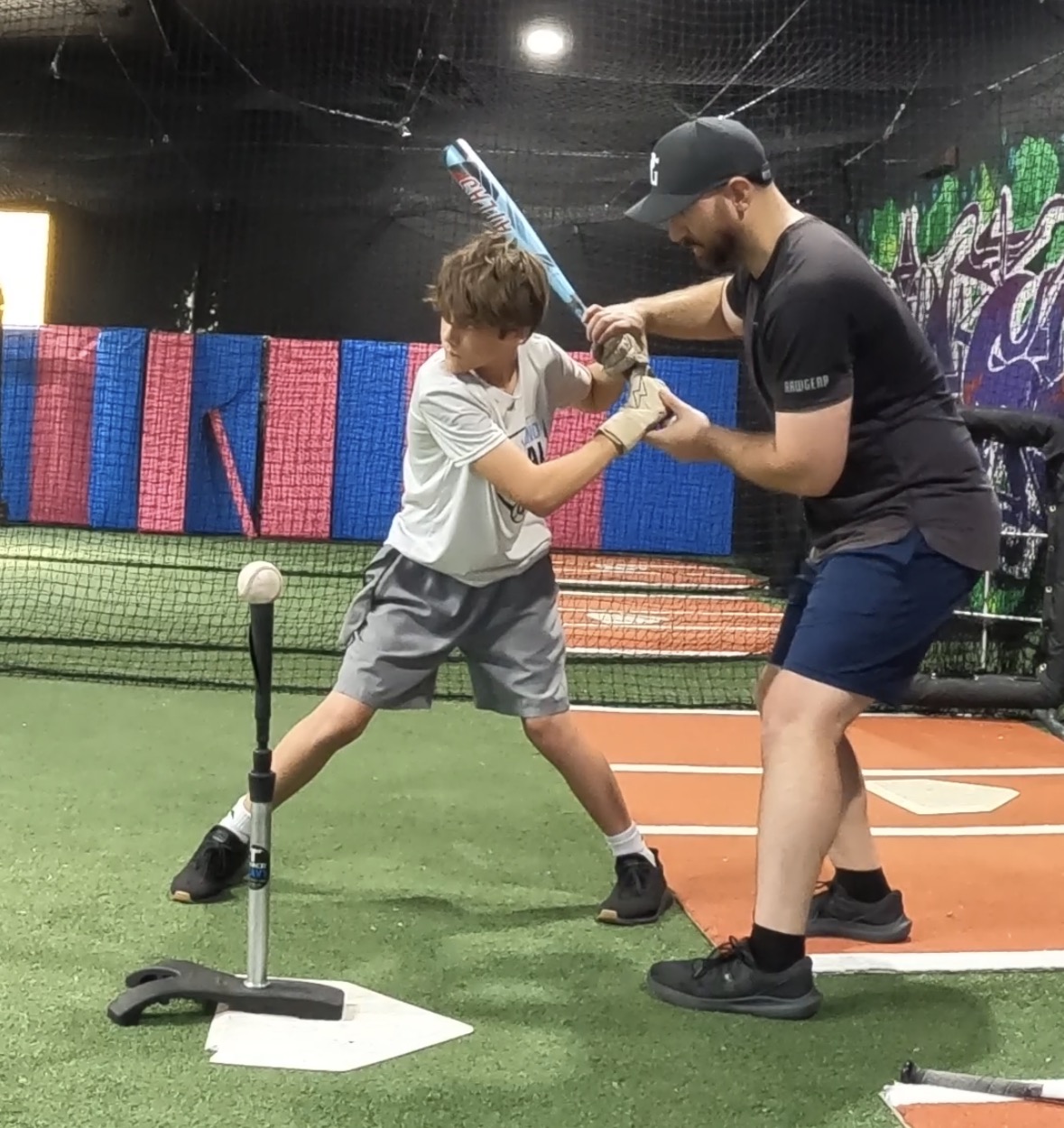
Talent is only the beginning.
Being around elite players showed me that talent is only the beginning. The best hitters prepare with purpose, understand the strike zone, make adjustments, and remain competitive when the game becomes difficult.
Teammates and opponents in the 2012 Cape Cod League and the Super Regional at LSU, and many more who went on to the major leagues.
The player comes first.
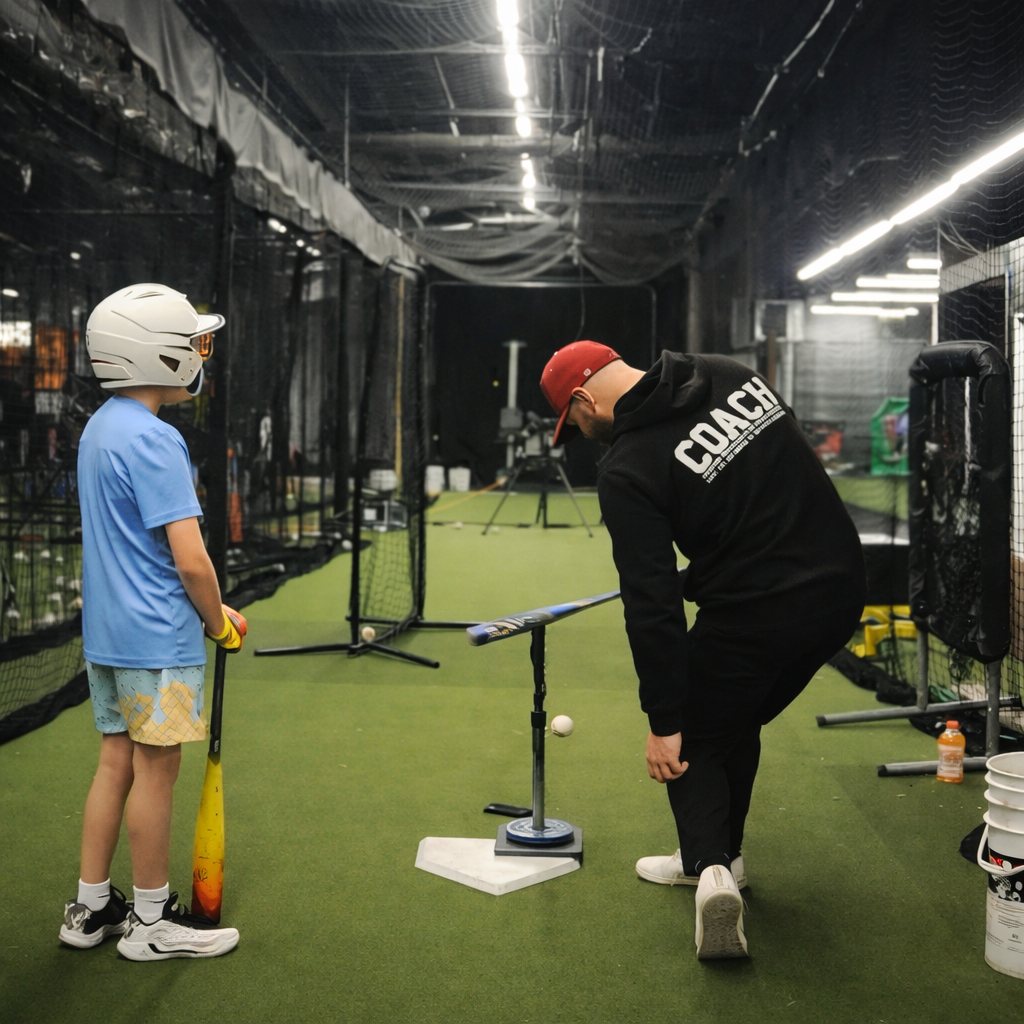
Every hitter learns differently. Some need a clearer explanation. Some need more confidence. Some need to be challenged. My job is to understand the player in front of me and coach in a way that helps the lesson stick.
Players should leave knowing more than what to fix. They should understand why it matters, what to work on next, and how to respond when the game becomes difficult.
“You have influenced my kids in a super positive way. You're our life coach, man!”
Real text · from a parent
Thanks for speaking with him. Above and beyond. He's learning good life lessons from you. No need to reply. Just wanted to say I'm grateful.
Half of hitting happens from the neck up.
Mechanics are important. But a lot of hitters never train what happens from the neck up: approach, pitch recognition, reading the defense and having a plan. Both halves get trained in the same lesson.
Neck up
- Approach
- Pitch recognition
- Reading the defense
- Having a plan
Neck down
- Mechanics and sequencing
- Balance and timing
- Barrel control and bat speed
Let's see what will help your hitter most.
You'll leave with a clear picture of your hitter and a direction for what comes next.
Send a short form
Tell me your hitter's age, level and what you want to improve.
I call you
We talk through where your hitter is and whether this is the right fit.
Initial Assessment
One hour. You leave knowing what's working, what's in the way and what comes first.
Lessons take place in Westbury and across Long Island. Availability is shared when you inquire.