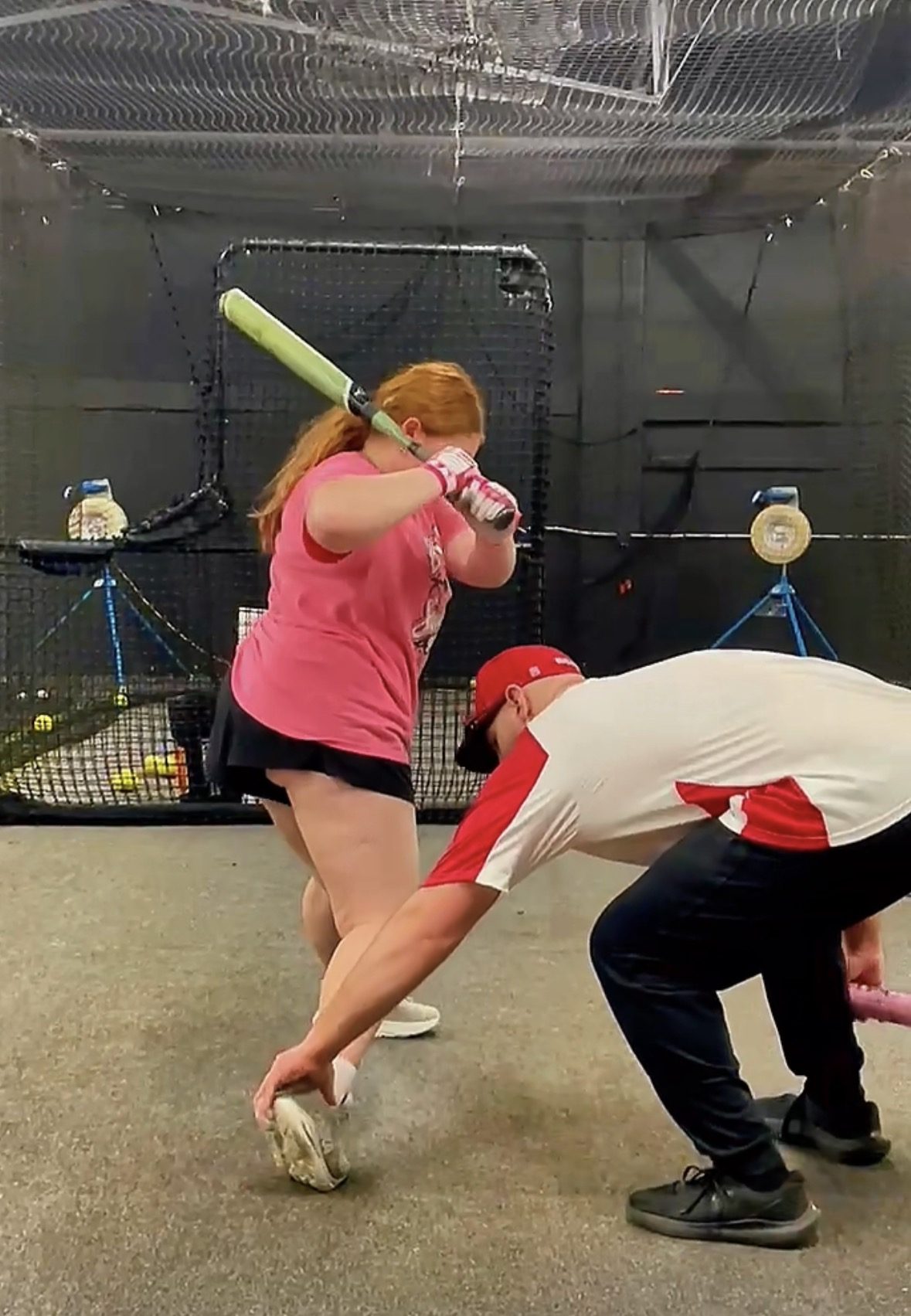
See Where Your Hitter Is Right Now
The first session shows us what the hitter already does well, what is getting in the way, and where the biggest improvement can be made.
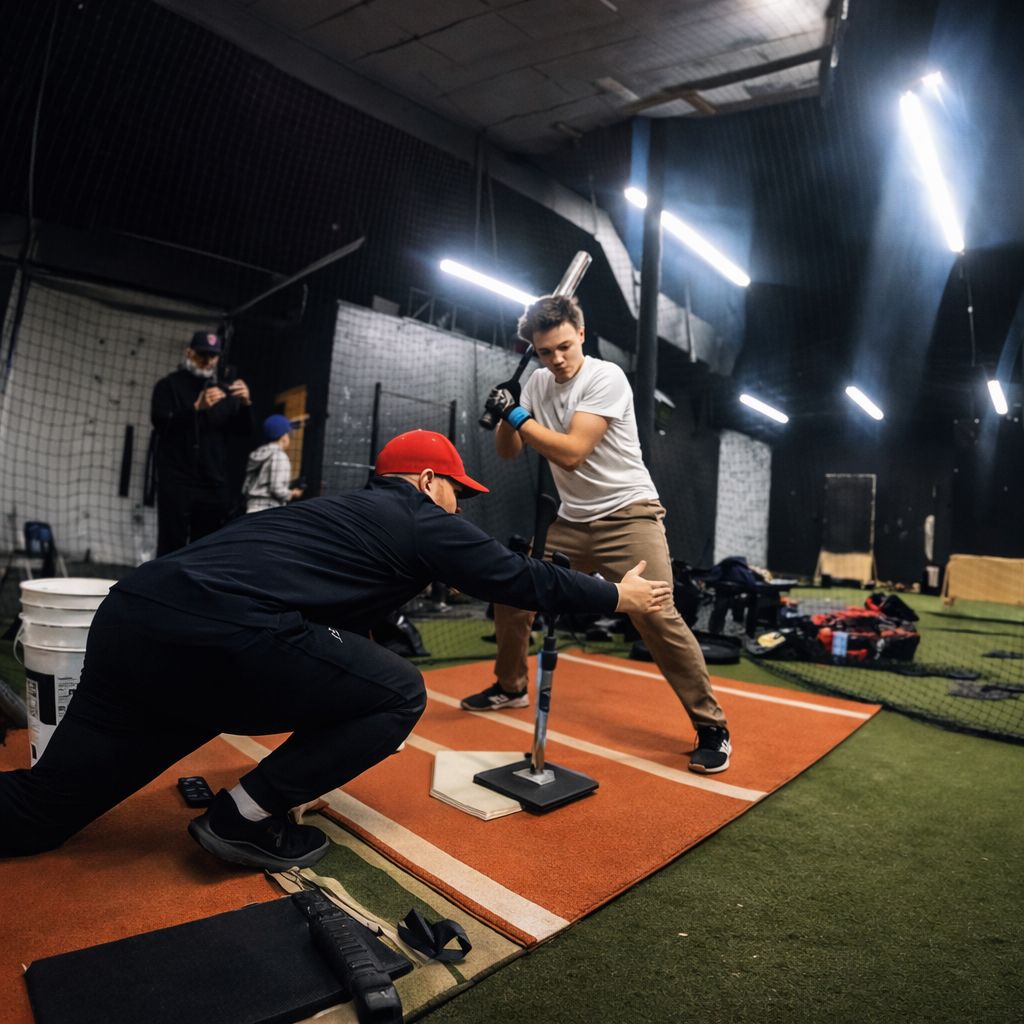
PRIVATE 1-ON-1 TRAINING · LONG ISLAND, NY
Private one-on-one hitting instruction that develops the swing, the approach, and the hitter's ability to adjust. Players learn to recognize pitches, make better decisions, compete with a plan, and carry their work into real at-bats.
…IN GAMES.
HOW IT WORKS
Every session is one-on-one and built around the hitter in front of me. Three stages, in this order.
The first session shows us what the hitter already does well, what is getting in the way, and where the biggest improvement can be made.
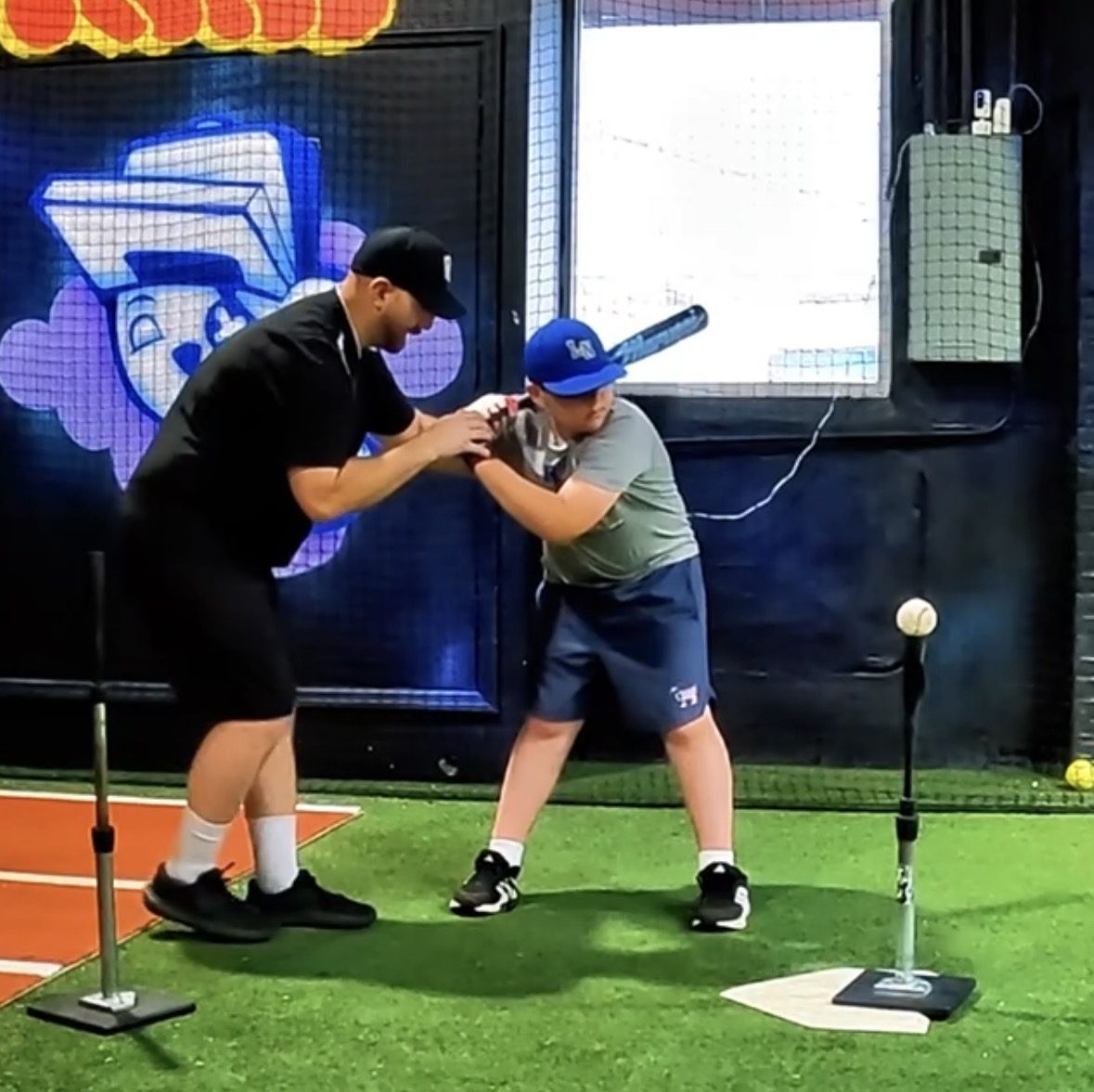
I teach, ask questions, change the drill, and help the player understand what is changing and why. The work should feel individual—not like a generic routine.
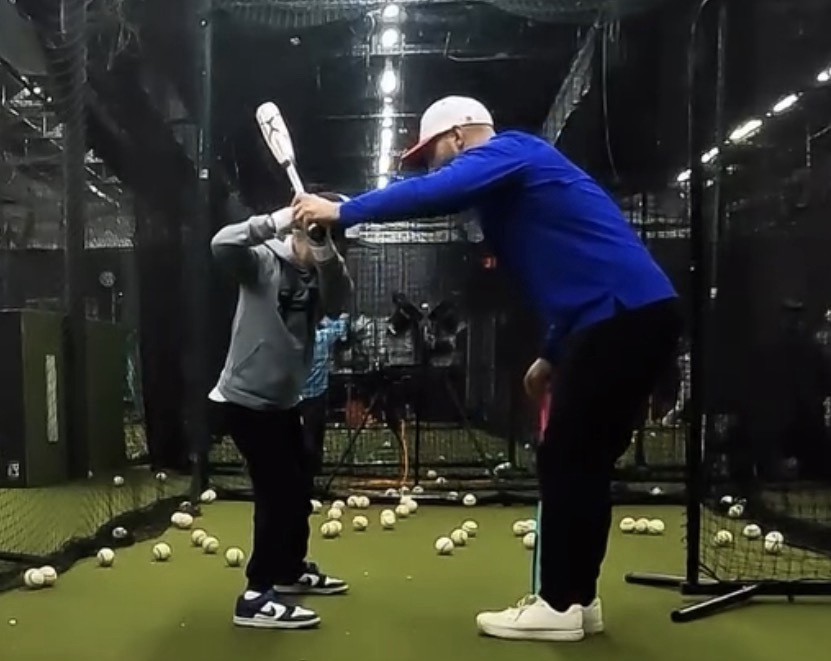
We add pitch locations, changing speeds, counts, decisions, and adjustments so the hitter learns to compete rather than simply repeat a cage swing.
TRAIN IT · TRANSFER IT
We train the curveball on the machine until the hitter picks it up early and stays balanced. The purpose is not to win the drill. It is to prepare the hitter to recognize and execute against that pitch in competition.
Machine reps until the pitch is recognized early, not reacted to late.
Same pitch, live game, same decision — that is when we know it stuck.
THE 50/50 SYSTEM
Ted Williams said hitting is 50% from the neck up. I train it that way. Mechanics matter, but a swing that looks great off the tee can still fail in a game. A beautiful swing means nothing if you can't recognize the pitch, make the right decision, and put the barrel on the baseball.
THE VISUAL DATABASE
In training, hitters see different pitch types, speeds, locations, and game situations over and over. When that pitch shows up in a real at-bat, they've already seen it. They recognize it early instead of reacting late.
REAL MESSAGE · FROM A PARENT
“Thank you for all your input and work with him. It has been really important to him and his development. Also his post game recap has gotten more constructive.”
We train players to hit baseballs, not to demonstrate perfect mechanics.
See the Full 50/50 SystemHITTING IQ
Hitters learn when to attack, when to take, and when to battle, and why. Two examples we train every week:
THE SITUATION
Get the ball in the air past the infield. A fly ball scores the run.
A ground ball up the middle can score the run. Don’t try to do too much.
THE COUNT
Hunt your happy place, the pitch and location you do the most damage on. Take everything else, even a strike on the corner.
Protect. Shorten up or choke up if needed, and battle pitches just off the zone.
REAL MESSAGE · IN HIS OWN WORDS
“Today I took ball 1 for the first pitch, and then I saw a lower ball down the middle, and I attacked on it. I ripped a nice single, and stole a few bases after that.”
THE PLAN
“What exactly are you trying to accomplish?”
What the player and family want, where the hitter is right now, his strengths, his limits, and realistic expectations.
A roadmap with priorities, measurable objectives, drills, assignments, and milestones, all tied to the goal.
We track progress and adjust. If it isn’t working, we find out why: wrong priorities, the wrong plan, the work not getting done, or a goal that changed. Evidence, not excuses.
Accountability runs both ways. If we're doing the work and the plan isn't working, that's on me to fix. If the work isn't getting done, we address commitment. I can't provide someone else's commitment.
STRAIGHT ANSWERS
I don’t promise stats or overnight changes. I promise a clear plan, honest feedback, and work with a purpose.
Home runs off five-foot front toss look good and don’t transfer. We train what shows up against real pitching.
Every drill has a reason, and the player knows what it is, why we’re doing it, and how it helps in games.
Every rep needs a purpose. Every drill needs a reason. Every adjustment needs to translate to the game.
THE FIRST SESSION
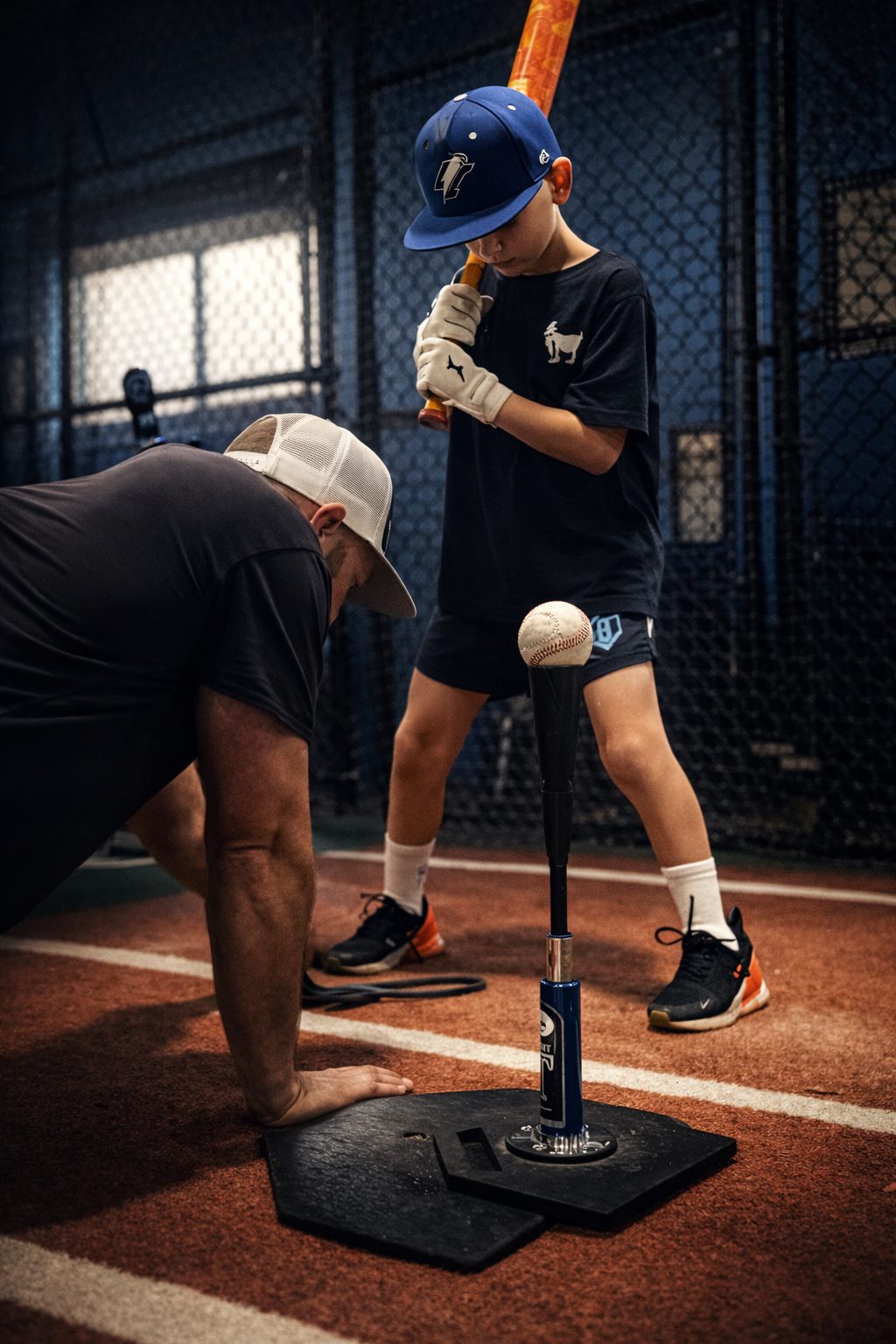
We talk with the player about how the season is going and what they feel in the box.
We watch the swing live and find the one or two things that matter most right now.
We work on it together, at a pace where the player understands what changed and why.
You leave with a clear picture of where your hitter is and what to work on next.
WHAT TO BRING
Bat, helmet, and batting gloves if he uses them. Turf shoes or sneakers, and water. If you have recent game video, bring it — it helps.
Lessons take place mostly at The Tunnel in Westbury, NY. Availability is shared when you inquire.
LIVE BP · TWO DAYS AFTER THE ADJUSTMENT
Two days after the adjustment — the same hitter, home run.
START HERE
Understand the hitter
Give a reason for every change
Build skills that hold up
Send over your hitter's age, level, and the one thing you would most like to see improve. I will get back to you personally with the next available options.
Book Initial Assessment