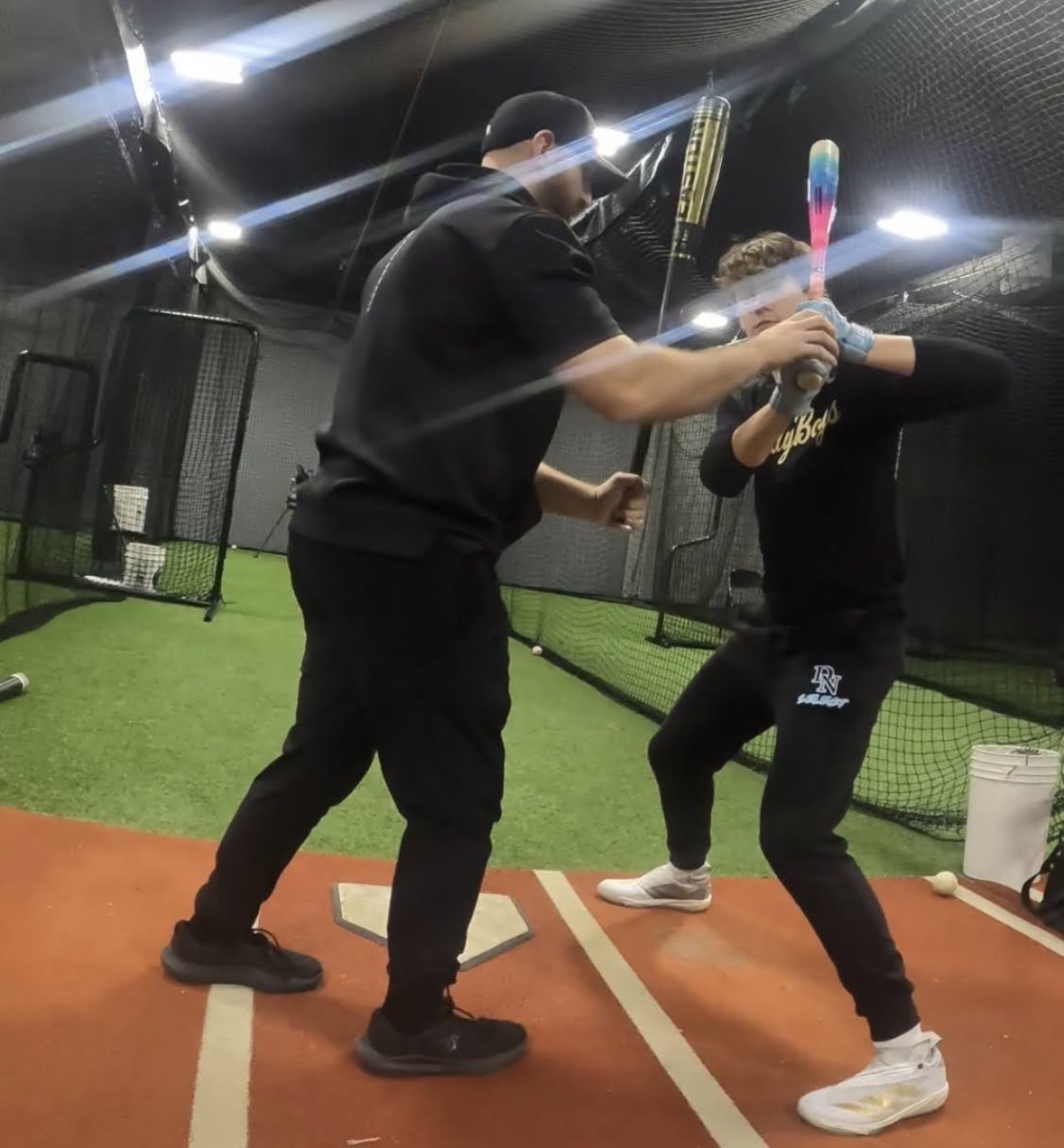
THE SWING
Balance, posture, timing, sequencing, barrel path, and contact quality — how the whole move works together, not one isolated piece.
START HERE
The first session is about understanding where your hitter is now, what is already working, what is getting in the way, and what will help most. We look at the swing, approach, pitch recognition, swing decisions, movement, and contact quality—then explain the next steps in clear baseball language.


Balance, posture, timing, sequencing, barrel path, and contact quality — how the whole move works together, not one isolated piece.

Pitch recognition, swing decisions, count awareness, and whether the hitter steps in with a plan.

What stays connected when velocity rises, timing changes, or the game speeds up — and what starts to slip.
Let the player hit naturally before making any changes. What he does on his own tells the most.
Simple adjustments and drills to see what the hitter actually responds to in the moment.
Show the player and parent what is working and what should improve first, in plain baseball language.
Leave with clear priorities and a direction for development, not a list of everything at once.

Where the hitter is now and what already works in his swing and his approach.
What will help most right now instead of trying to fix everything at once.
Clear next steps, starting homework, and Coach Steve's recommendation for continued training.
TRAINING TO NEXT-DAY GAME RESULTS
The goal is never a cage-only swing. The first priorities are chosen so they hold up when the hitter walks back into competition — same intent, same move, live pitching. Here is purposeful cage work followed by the next day's at-bat.
Understand what your hitter needs, what is already working, and what should come next.