WHERE HE STARTED
THE ABILITY WAS THERE. THE FOUNDATION NEEDED WORK.
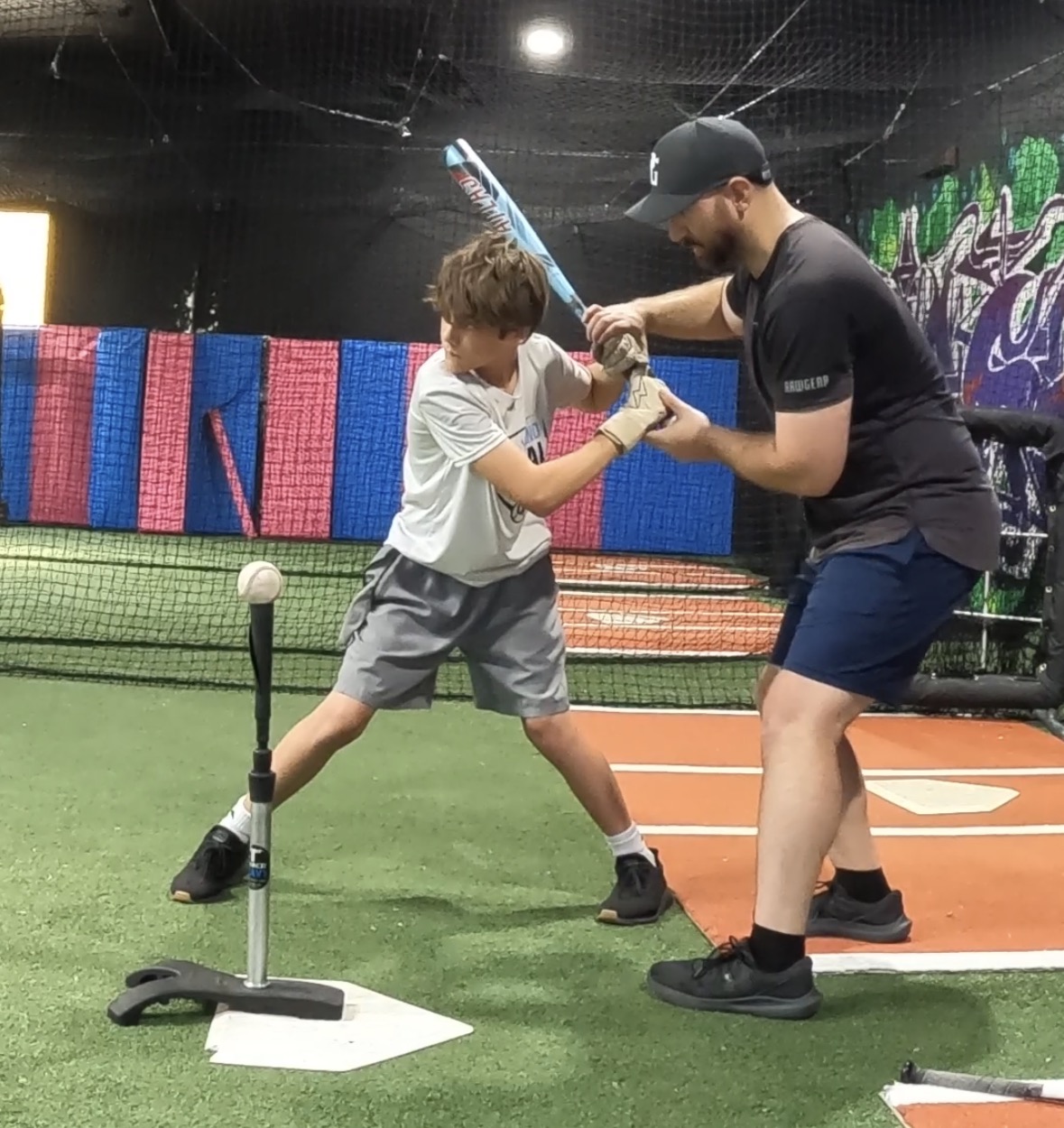
When Emmet began training, he had athleticism and bat speed. But his timing, lower-body sequencing, swing path, and approach at the plate needed development.
During fall 2025, he was one of the weaker hitters on his team, often hit last in the order, and recorded four hits in 33 plate appearances.
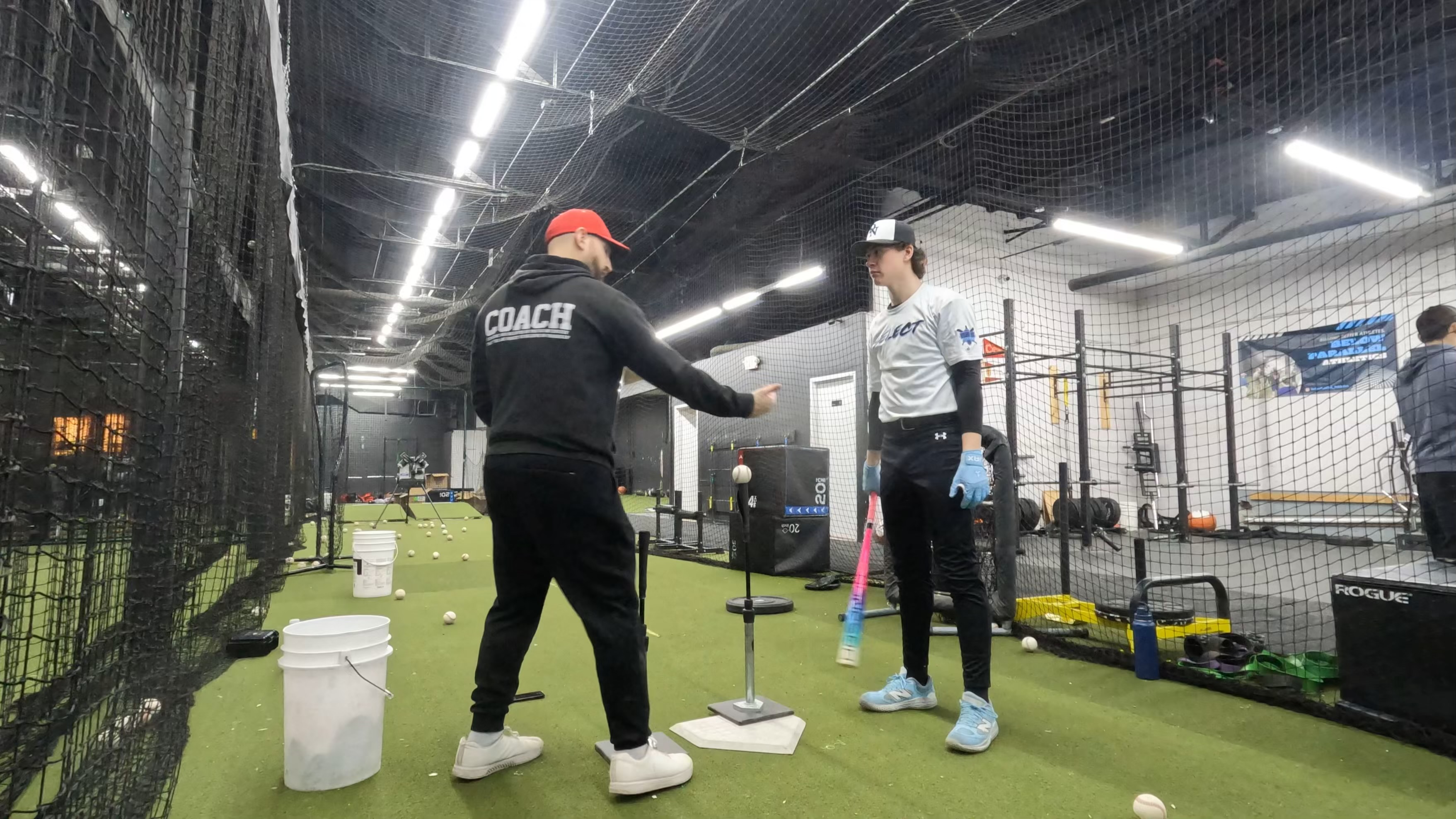
Those results did not define him. They gave Coach Steve a clearer picture of what needed attention.

THE WORK
A BETTER SWING. A CLEARER PLAN.
The goal was not to chase an immediate result. The work built a stronger foundation Emmet could repeat, then challenged it with the speed and decisions the game demands.
Get ready on time
Build a more repeatable load and stride so Emmet could arrive in a stronger position to hit.
Connect the swing
Improve his lower-body sequence, hand discipline, and barrel path instead of relying on athleticism alone.
Train the at-bat
Work on pitch selection, velocity and spin recognition, two-strike hitting, and situational baseball IQ.
WHAT STARTED TO CLICK
THINKING REPLACED GUESSING.
As the movements became more connected, Emmet’s at-bats became more purposeful. He was getting ready on time, making better decisions, and putting himself in a position to use the athleticism and bat speed he already had.
SEE THE WORK
EMMET LEARNED TO COACH HIMSELF.
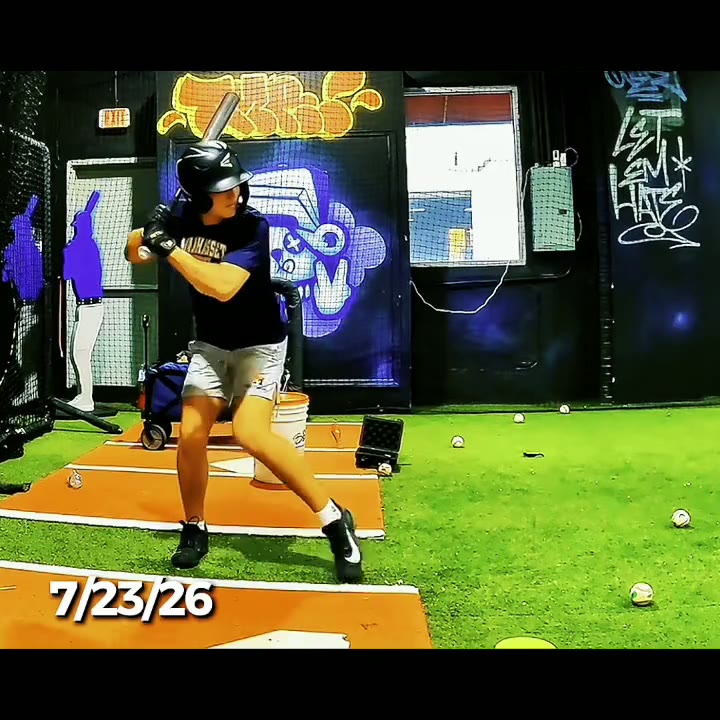
Part of the work happened between sessions. Emmet watched his own swings on video and broke down what he was doing wrong in his own words. These are his actual notes:
“Right side toss but my timing was off.”
“Angled toss drill. Goal was to drive the ball to center or right.”
“Shoulders opened right when I exploded into my swing.”
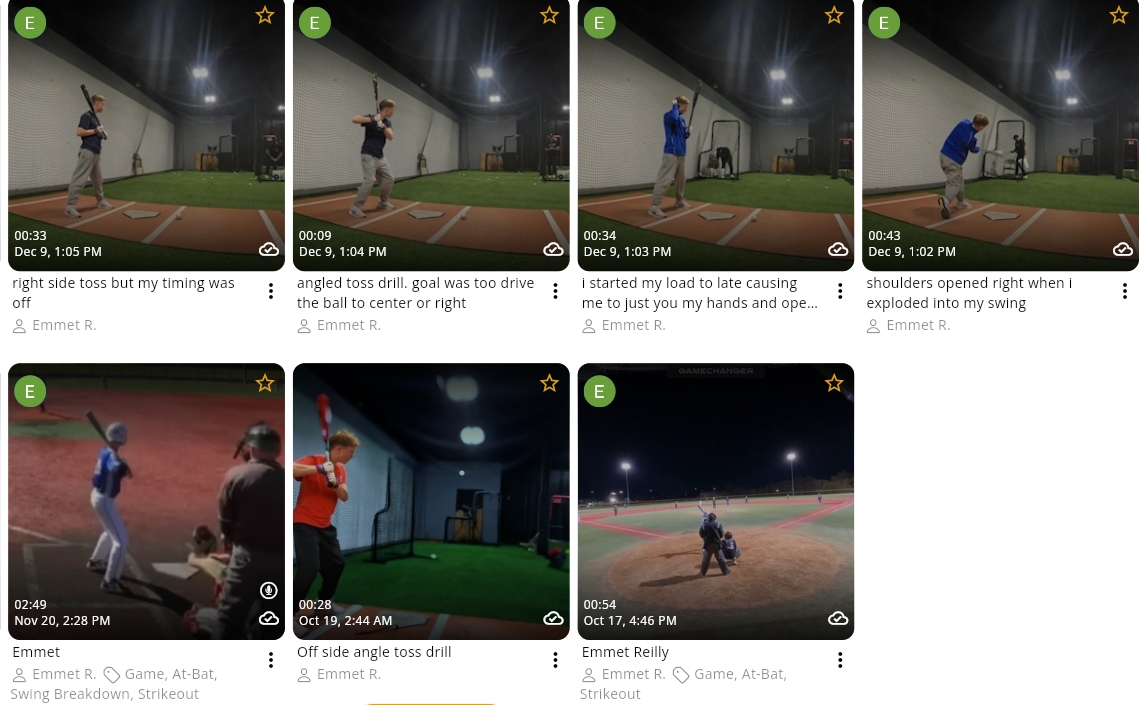 Emmet’s video breakdowns, with his own feedback on what he was doing wrong.
A hitter who can watch his own video and name what went wrong is starting to understand his swing, not just repeat it. That awareness is what lets adjustments hold up when the game speeds up.
HOW IT SHOWED UP
THE WORK MOVED UP THE LINEUP.
WHERE HE HIT IN THE ORDER · SPRING 2026
FALL 2025 VS. SPRING 2026
BEFORE
Fall 2025, 33 plate appearances
- .154
- Batting average
- .421
- OPS
- 14 / 3
- Strikeouts / walks
- .111
- Runners in scoring position
AFTER
Spring 2026 club season, first season back
- .389
- Batting average
- 1.153
- OPS
- 6 / 6
- Strikeouts / walks
- .429
- Runners in scoring position
GAME FILM · MAY 3 VS. FARMINGDALE
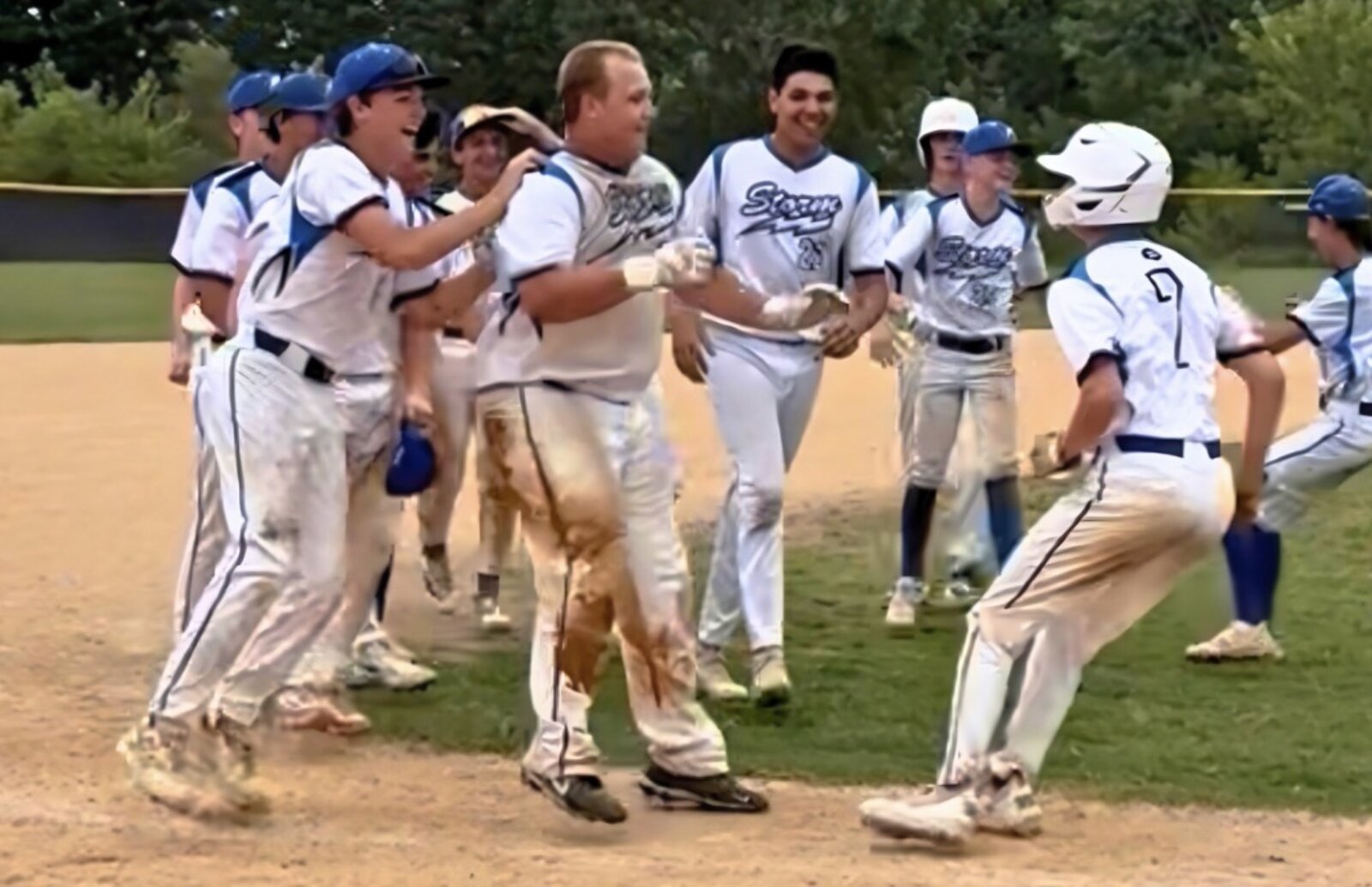
On May 3, 2026, still batting last, Emmet drove in six runs across a doubleheader.
6 RBI. A double. A triple.
That is more extra-base hits, total bases and RBIs in one day than in his entire fall. By May 30 he was hitting third, and on June 6 he led off.
“Emmet started training in October with a focus on baseball IQ and approach at the plate. Three months later, something bigger than stats stood out — I love that he’s thinking deeper about the game. Really looking forward to seeing him play this season. Thank you.”
WHERE HE IS NOW
EARLY STRUGGLES DON’T DEFINE A HITTER.
Emmet’s progress did not come from one magic drill. It came from staying patient, accepting coaching, and learning how to make meaningful adjustments.
When the plan addresses both the swing and the decisions behind it, and the player stays with the process, the work has a chance to become usable when the game starts.
One productive game isn’t the finish line. The goal is a hitter who keeps adjusting.