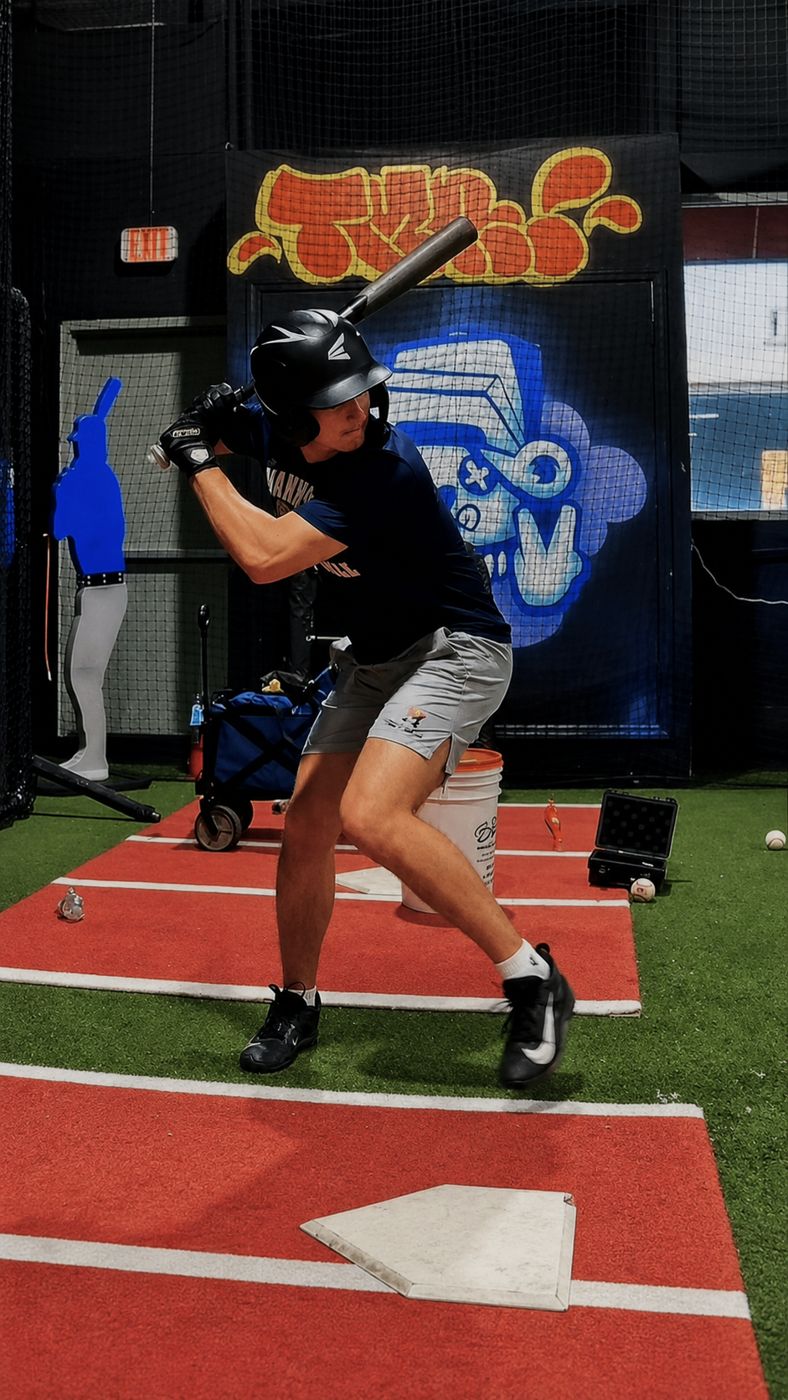
The Count Changes the Swing: Why 3-0 and 0-2 Are Different Worlds
A 3-0 count and an 0-2 count ask different things from a hitter. Learn how to use count leverage, hunt a pitch you can drive, and stay competitive with two strikes.
In this article9 sections · tap to jump
Picture a hitter with a 3-0 count.
Now picture that same hitter at 0-2.
Same hitter. Same bat. Same pitcher.
The distance to the mound didn’t change. The strike zone didn’t change.
But the hitter’s options did.
His approach, aggression, pitch selection, and even the swing he takes can change with the count. That’s why I spend so much time teaching count leverage: understanding when the count gives you more freedom and when you have to cover more.
The Count Gives the Hitter Information
Every pitch changes the at-bat.
1-0 is not the same as 0-1. 2-0 is not the same as 1-2. 3-1 is not the same as 0-2.
When the count is in the hitter’s favor, he can usually be more selective. He doesn’t have to treat every strike as a pitch he needs to hit.
Instead of thinking, “I need to hit anything that’s a strike,” he can think, “I’m hunting a pitch I can drive in an area I handle well.”
That doesn’t mean a fastball down the middle is guaranteed. The pitcher can still change speeds or locate a tough pitch.
The hitter has a plan. He still has to recognize what’s actually thrown.
Hitter’s Counts Are About Selective Aggression
When I talk about being aggressive, I’m not talking about swinging at more pitches.
Good aggression is selective.
If you’re ahead in the count, you should usually be looking for the pitch you can do damage with. For one hitter, that might be a fastball middle-in. For another, it might be something middle-away.
The exact pitch and location depend on the hitter, the pitcher, and the situation.
But the principle is the same: You earned leverage. Use it.
At 3-0, that also means knowing whether you have the green light from your coach. If you do, be ready for your pitch and willing to take anything outside that plan.
A 2-0 count should not turn into an excuse to chase a breaking ball in the dirt because you decided you were going to swing.
Being aggressive does not mean being reckless.
Two Strikes Change the Job
Now the hitter gets to two strikes.
He doesn’t have the same freedom to pass on a hittable strike. His margin for error gets smaller, and he has to be ready to protect more of the plate.
He may need to fight off a tough strike he would have taken earlier in the count. On a pitch away, he may need to let the ball travel deeper.
That doesn’t mean every two-strike pitch should be hit deeper. Location still determines the contact point.
And protecting the plate doesn’t mean chasing everything close to it.
I want a hitter who can adjust and compete while keeping the ability to drive a mistake. Two strikes should not automatically turn his swing into a poke at the baseball.
The Physical Swing Can Change Too
MLB.com’s May 2024 analysis found average bat speed was 1.6 mph lower with two strikes than with zero or one strike.
I wouldn’t read that as proof that fear caused every slower swing. It doesn’t explain why your individual hitter slowed down, and it isn’t an instruction to make a young player swing slower.
Here’s the coaching question I care about:
Did the hitter make an adjustment that helped him compete, or did he get tentative and stop trusting his move?
Those are different things. We need the video, the pitch, the situation, and the hitter’s explanation to understand what happened.
Give the Hitter a Job with Two Strikes
“Don’t strike out.”
That thought can leave a hitter focused on avoiding an outcome instead of dealing with the pitch in front of him.
He may start guiding the barrel. He may get caught in between. He may chase because he’s afraid to take.
If that’s what I’m seeing, I want to give him something useful to do.
Compete. Protect. Adjust.
Know what you’re protecting. Be ready to attack a mistake. If the pitcher makes a good pitch, stay adjustable and give yourself a chance to handle it.
The goal is to keep the hitter engaged and committed.
Your Swing Doesn’t Need to Look Identical in Every Count
Parents sometimes hear that consistency means every swing should look exactly the same.
I don’t teach it that way.
Hitters need a repeatable foundation. But baseball is an adjustment game.
A 3-1 fastball in your favorite spot may allow your most aggressive swing.
An 0-2 slider on the outside corner may require a different contact point and an adjustment to the speed.
Those swings don’t have to look identical. They should come from a foundation that gives the hitter options.
That’s adjustability.
This Is Why We Train Counts
Batting practice should include more than a pitcher throwing and a hitter swinging at everything.
I want hitters learning how to think.
Sometimes I’ll give them a count. Sometimes the count changes after every pitch. Sometimes they have to tell me their plan before the ball is thrown.
We might work on:
- Hunting one location in a hitter’s count.
- Taking a strike that falls outside the plan when the count allows it.
- Protecting the plate with two strikes.
- Adjusting after a swing and miss.
- Understanding the job with a runner on third and less than two outs.
Then we talk about the decision.
Did he get the pitch he was looking for? Did he chase? Was it a good decision with a poor result, or a poor decision that happened to work?
Now we’re connecting the physical swing with an actual baseball decision.
Stop Trying to Hit Everything
One of the biggest problems young hitters have is trying to cover every possibility at once.
Fastball inside. Breaking ball away. Pitch up. Pitch down.
Everything.
You can’t hit anything when you’re trying to hit everything.
Give yourself a starting point.
Understand the count. Know the situation. Know the area you handle best. Hunt your pitch.
And when the count changes, adjust with it.
That’s the difference between simply taking swings and learning how to hit.
Train the Decision Alongside the Swing
Count awareness is part of Hitting IQ: recognizing pitches, making swing decisions, understanding situations, and adjusting during an at-bat.
My 50/50 Hitting System connects those decisions with the physical work we do on mechanics, timing, sequencing, and barrel control.
If your hitter’s practice swing looks different once the game starts, read why hitters look great in the cage but struggle in games.
In my hitting instruction on Long Island, we work on both sides so the player understands what he’s trying to do and has the ability to execute it.
THE NEXT STEP
WANT THIS DIAGNOSED ON YOUR HITTER?
Your hitter probably doesn’t need more random swings. They need to know what they’re actually trying to fix.
Start with an Initial Hitting Assessment — video analysis, swing and mechanics evaluation, approach and hitting-IQ review, and a clear development plan.