Why a Good Swing Isn’t Enough to Hit in Games
A hitter can look good in the cage and still struggle in games. Learn how pitch selection, count awareness, and a clear plan fit alongside swing development.
In this article6 sections · tap to jump
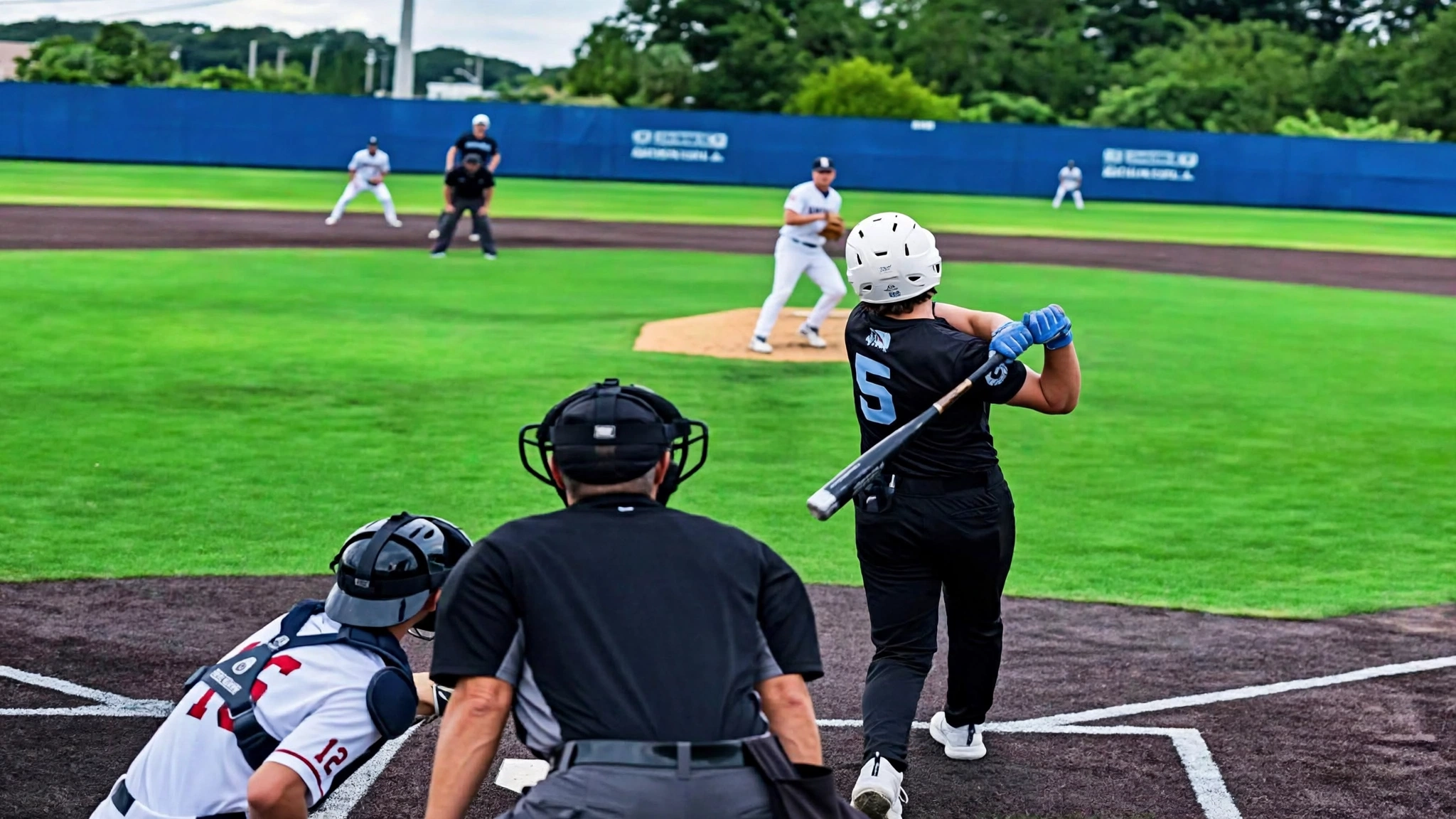
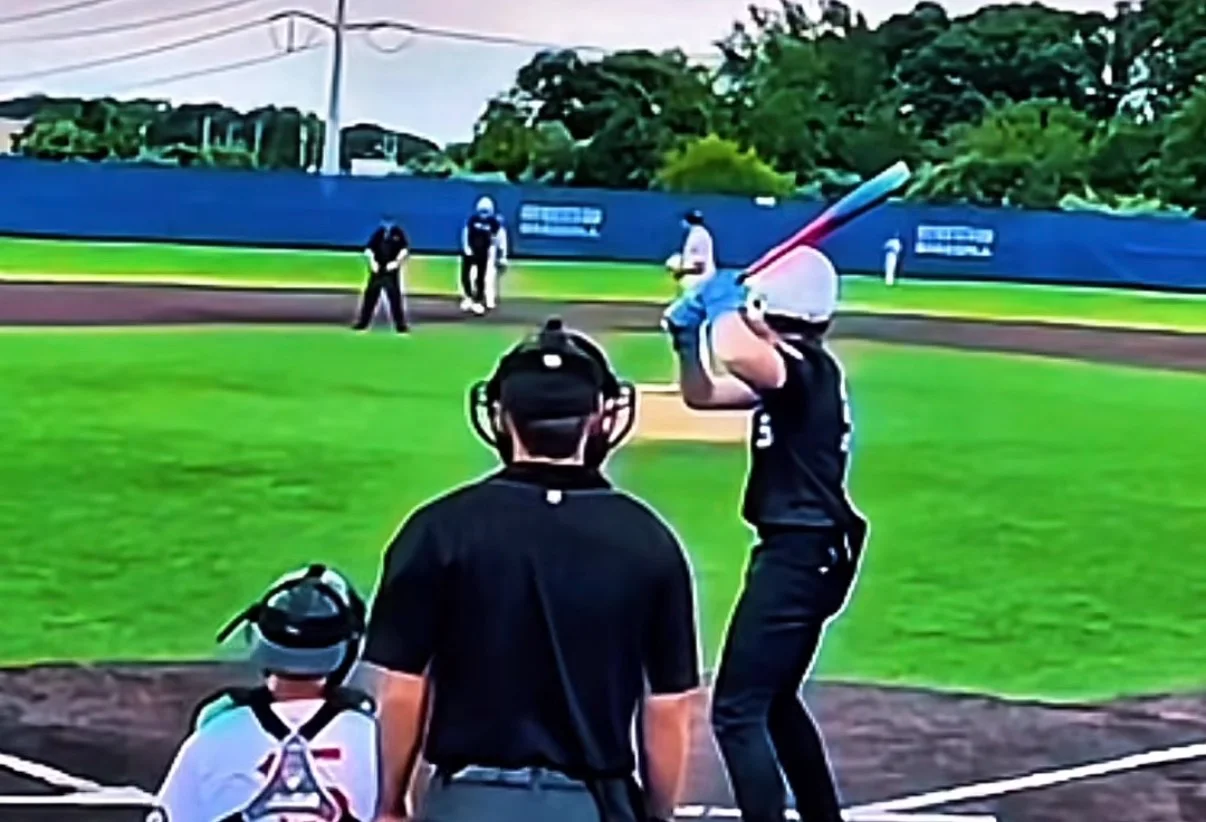
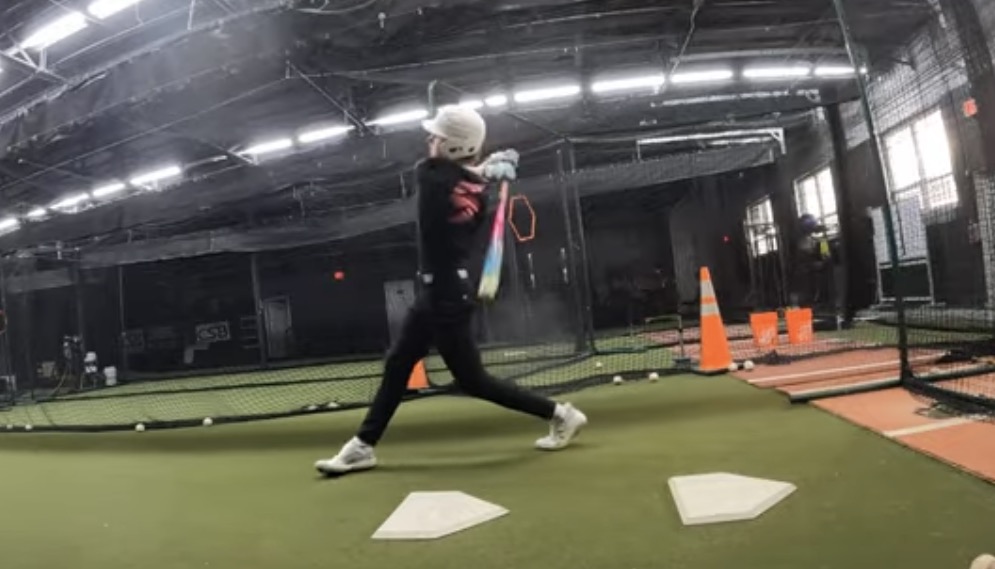
Your child looks good in the cage. The swing is improving. The ball is coming off the bat harder.
Then the game starts. They chase a pitch outside, watch a hittable fastball go by, and come back to the dugout frustrated.
It’s easy to assume the swing needs another adjustment. But before changing anything, ask a different question:
Did they have a plan for that at-bat?
Ted Williams emphasized the thinking side of hitting and the importance of respecting a player’s individual style in The Science of Hitting, written with John Underwood. Those ideas are the starting point for this article and connect closely to how I approach player development. Source: publisher’s book page.
For the young hitters I work with on Long Island, I describe that balance as 50% mechanics and 50% mentality. That’s a coaching principle, not a measured formula. It means we need to develop the swing and teach the player how to use it.
Before changing the swing, look at the decision
A hitter can make a poor decision with an improving swing.
If they’re reaching for a pitch they can barely touch, we have to consider the pitch selection when evaluating the contact. If they’re late on a fastball, we need to understand whether they were ready for it.
Mechanics still matter. Balance, timing, posture, and barrel control all deserve attention. But the question is bigger than where the hands started.
What was the count? What was the hitter looking for? Where was the pitch?
Those answers help us decide what to work on next.
Teach them what to hunt in a hitter’s count
Imagine a young hitter ahead 2–0.
They know they’re supposed to be aggressive. But to them, aggressive means swinging at the next strike, wherever it is.
That’s an incomplete approach.
With that count, I want a hitter thinking about a pitch they can drive. A strike near the edge of the zone may be a pitch they can reach, but it may not be the pitch they handle well.
Being ready to swing and being willing to take belong together.
That doesn’t mean a fastball down the middle is guaranteed. The pitcher can still change speeds or locate a tough pitch. The hitter needs a clear intention while staying able to recognize what actually comes out of the hand.
As the count changes, the plan changes. With two strikes, protecting against a wider range of pitches becomes part of the job.
Young hitters need opportunities to practice both situations.
Give hitters something to notice before their turn
Preparation can start while a teammate is hitting.
Keep it simple. Give a young player one question to answer:
- Is the pitcher getting the fastball over?
- Is the breaking ball landing for strikes?
- What pitch did the pitcher use with two strikes?
They don’t need to predict every pitch. They need to start noticing information they can use.
If the breaking ball keeps bouncing, that’s something to recognize. If the pitcher starts several hitters with a fastball, that’s worth noticing too. Neither observation guarantees what comes next.
After an at-bat, ask: “What did you see?”
That gives you a starting point for a conversation about their decisions.
Build around the player in front of you
Williams’s discussion of individual style raises another useful question for parents: does a swing need to look a certain way to work?
Hitters don’t all need the same stance, hand position, or amount of movement.
The useful questions are whether the player can get ready on time, stay balanced, control the barrel, and adjust to different pitches.
A movement that consistently interferes with those jobs deserves attention. Something that simply looks different deserves a closer look before we change it.
The goal is to help a player understand and repeat effective movements. There needs to be a reason behind an adjustment beyond making the swing resemble somebody else’s.
Put decisions into practice
A tee gives us a chance to work on a movement. In a game, the hitter also has to recognize the pitch and decide whether to swing.
Practice needs room for that part of the task.
One way to introduce it is to give each round a count and a purpose. In a simulated 2–0 round, the hitter identifies a location they want to attack. In a two-strike round, they practice their protection approach.
Then discuss the decision separately from the result.
A hard line drive caught by a fielder can still come from a good plan and a well-executed swing. A hit on a chased pitch doesn’t automatically make the decision one we want to repeat.
That distinction gives the player something useful to build on.
One question parents can ask
When your child is ready to talk about the game, try:
“What pitch were you looking for?”
Listen before offering a correction. Their answer may tell you more about the at-bat than the result did.
At the next practice, give the hitter one clear decision to work on alongside the swing. Help them recognize when they made that decision well, even when it didn’t produce a hit.
Process over outcome.
THE NEXT STEP
WANT THIS DIAGNOSED ON YOUR HITTER?
Your hitter probably doesn’t need more random swings. They need to know what they’re actually trying to fix.
Start with an Initial Hitting Assessment — video analysis, swing and mechanics evaluation, approach and hitting-IQ review, and a clear development plan.