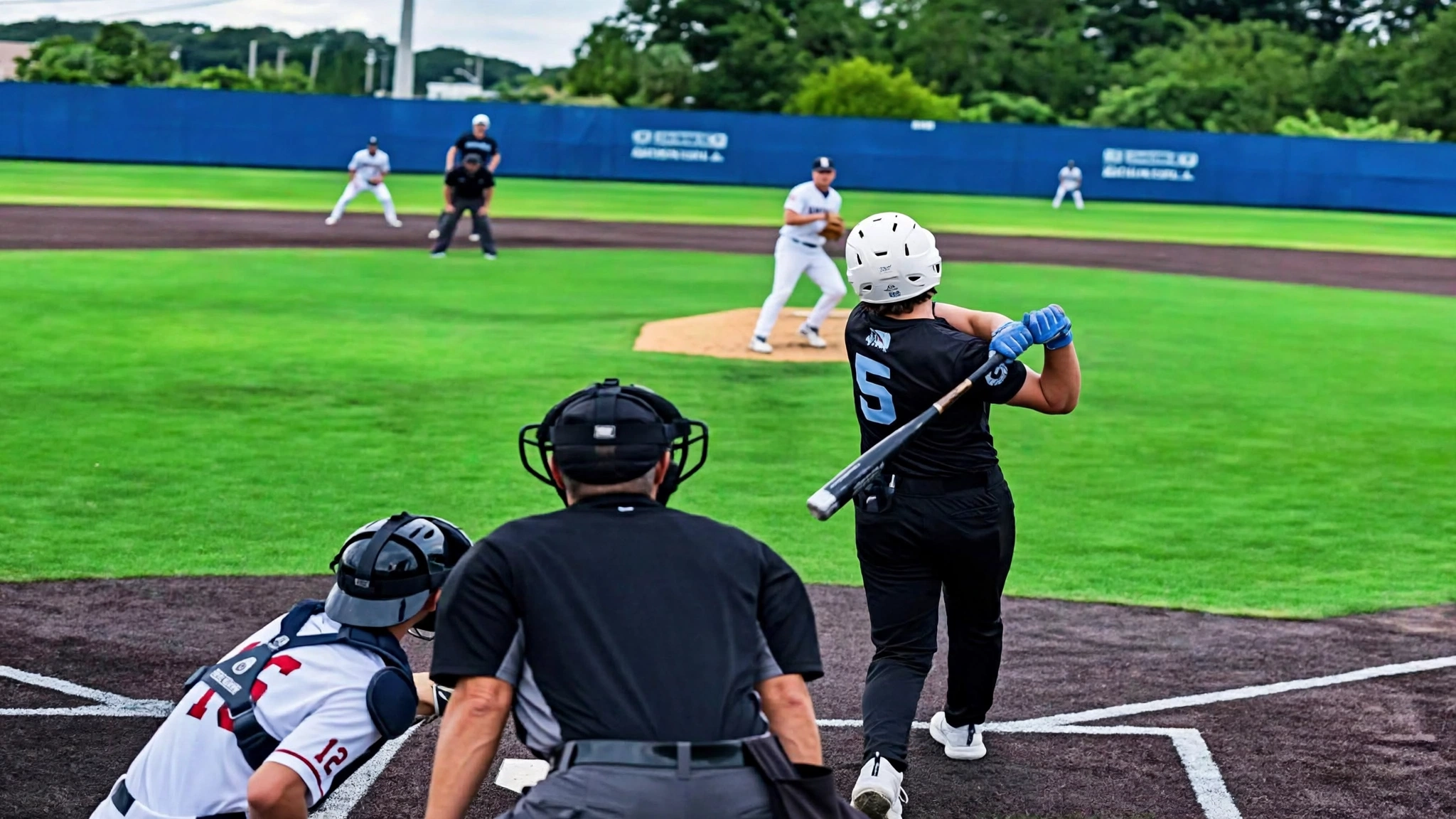
Two-Strike Hitting: Advanced Approach Strategy
The two-strike count exposes everything—your mechanics, your mental game, and your preparation. Here's how to stop surviving and start thriving.

In this article7 sections · tap to jump
The two-strike count is often where hitters fall apart. The pressure mounts, the zone shrinks — mentally, at least — and the fear of striking out leads to tentative swings or easily-fooled takes. But what if you could turn that count into an opportunity?
The Mental Shift
Most hitters become purely reactive with two strikes. They're just trying to make contact. Elite hitters, however, remain proactive within the constraints of the count. That's the key distinction.
COACH STEVE'S PRINCIPLE
"Two strikes doesn't mean you've lost the at-bat. It means the margin for error just got smaller — and so did the pitcher's margin."
Understand the pitcher's goal first: with two strikes, they're hunting a swing-and-miss or weak contact. That means breaking balls, changeups, or fastballs on the edges of the zone. Knowing this is your first offensive weapon.
Your Two Goals, in Order
01 — Primary Goal
Put the ball in play hard. Attack anything you can drive.
02 — Secondary Goal
Avoid strike three. Expand your zone slightly for contact — but stay disciplined against pitches that won't help you.
Mechanics for Survival & Damage
Your two-strike mechanics should emphasize contact while retaining the ability to hit the ball hard. These four adjustments are the foundation:
Choke Up Slightly
Just an inch or two increases bat control and quickens your hands through the zone.
Widen Your Stance
A more stable base reduces unnecessary movement and keeps you balanced through the swing.
Reduce Your Stride
A smaller stride keeps your head still and allows for quicker reactions to off-speed pitches.
Shorten Your Swing
Think "compact." A direct path to the ball cuts out any extra movement that costs you reaction time.
Plate Coverage Strategy
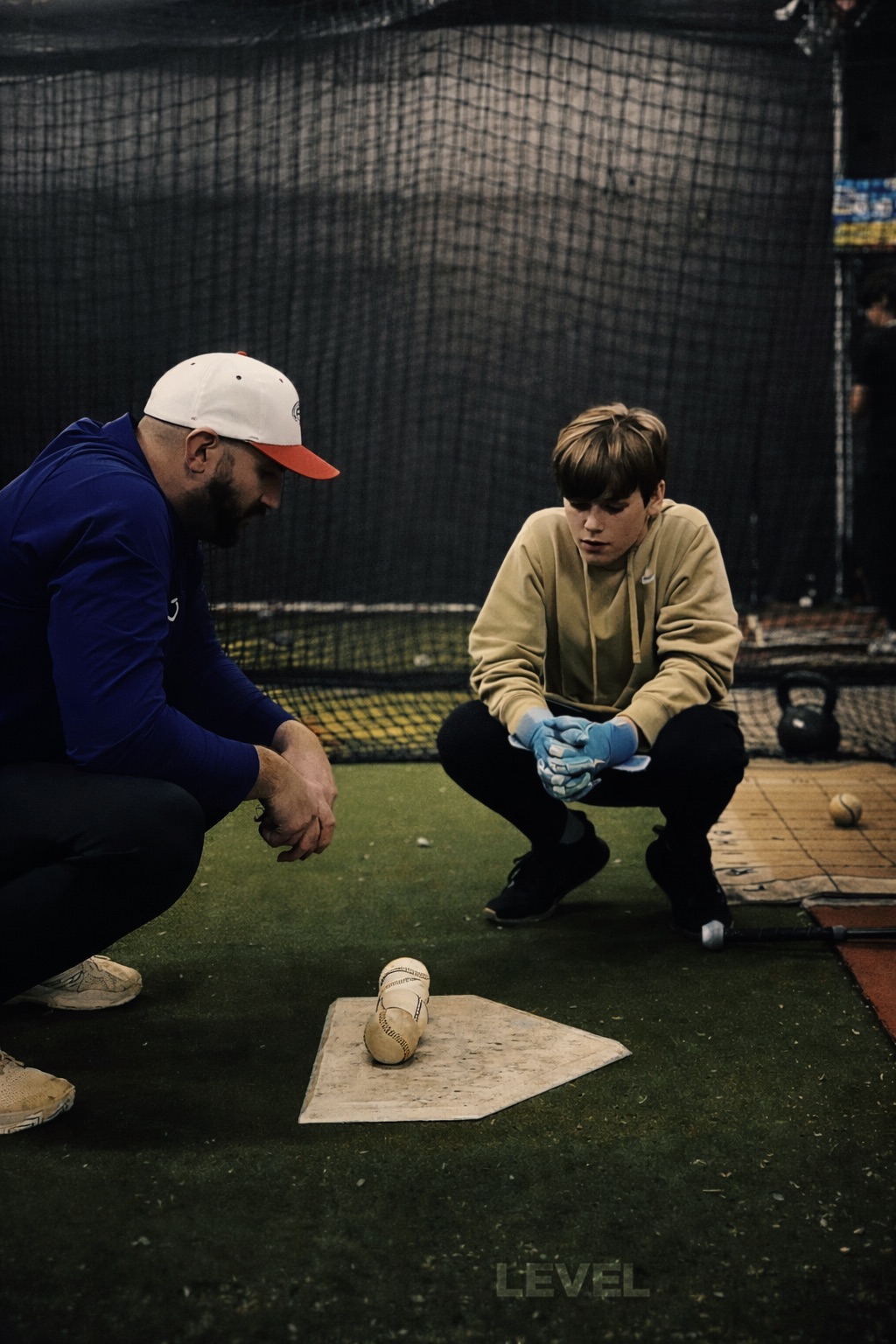
This is where the advanced layer comes in. Instead of just "swinging at everything close," have a refined plan for every pitch you see:
Identify the Danger Zones
Where do pitchers typically try to get you to chase? Usually down and away, or high fastballs. Know these locations before you step in the box — not after the pitch is thrown.
Protect with Purpose
Understand that some pitches you can only foul off. The goal isn't always a hit — sometimes it's to see another pitch. Fouling off tough breaking balls is a win. You're still alive.
Look for Your Pitch Within Reason
Even with two strikes, don't completely abandon your preferred zones. If you get a fastball in a hittable spot, attack it aggressively — even if it's borderline. Passivity is your enemy.
Sacrifice Power for Contact
On off-speed pitches, prioritize getting the barrel on the ball. A weak ground ball beats a strikeout every single time. Stay in the at-bat.
Practice Drills

Confidence in the two-strike count is built in the cage, not figured out during the game. Integrate these drills to create the muscle memory and mental reps that hold up under pressure.
1. Machine Pitching with Variable Speeds
Set the machine for fastballs, then randomly feed in slower breaking balls. Focus on making contact with every single pitch — quality of contact matters, but staying alive matters more.
2. Front Toss with Count Call-Outs
Have a coach front toss and call out "1-2" or "0-2" before each pitch. This simulates the mental pressure of the count and trains your brain to flip into two-strike mode on command.
3. Shortened Swing Drill
Practice off a tee or soft toss with an intentionally shortened, compact swing. Focus entirely on getting the barrel directly to the ball — no extra movement, no unnecessary length.
Stop Surviving. Start Competing.
The two-strike count is not a death sentence. It's a test — of your adjustability, your mental toughness, and the preparation you put in before the game. Hitters who thrive in these moments don't get lucky. They get ready.
By adopting a proactive mindset, making the right mechanical adjustments, and having a clear plate coverage strategy, you can turn those seemingly hopeless situations into productive at-bats. Don't just survive with two strikes — do damage.
Want to Build This Into Your Game?
Private hitting sessions with Coach Steve are focused on exactly these situations — the moments that separate good hitters from great ones.
THE NEXT STEP
WANT THIS DIAGNOSED ON YOUR HITTER?
Your hitter probably doesn’t need more random swings. They need to know what they’re actually trying to fix.
Start with an Initial Hitting Assessment — video analysis, swing and mechanics evaluation, approach and hitting-IQ review, and a clear development plan.