By Coach Steve Goldstein
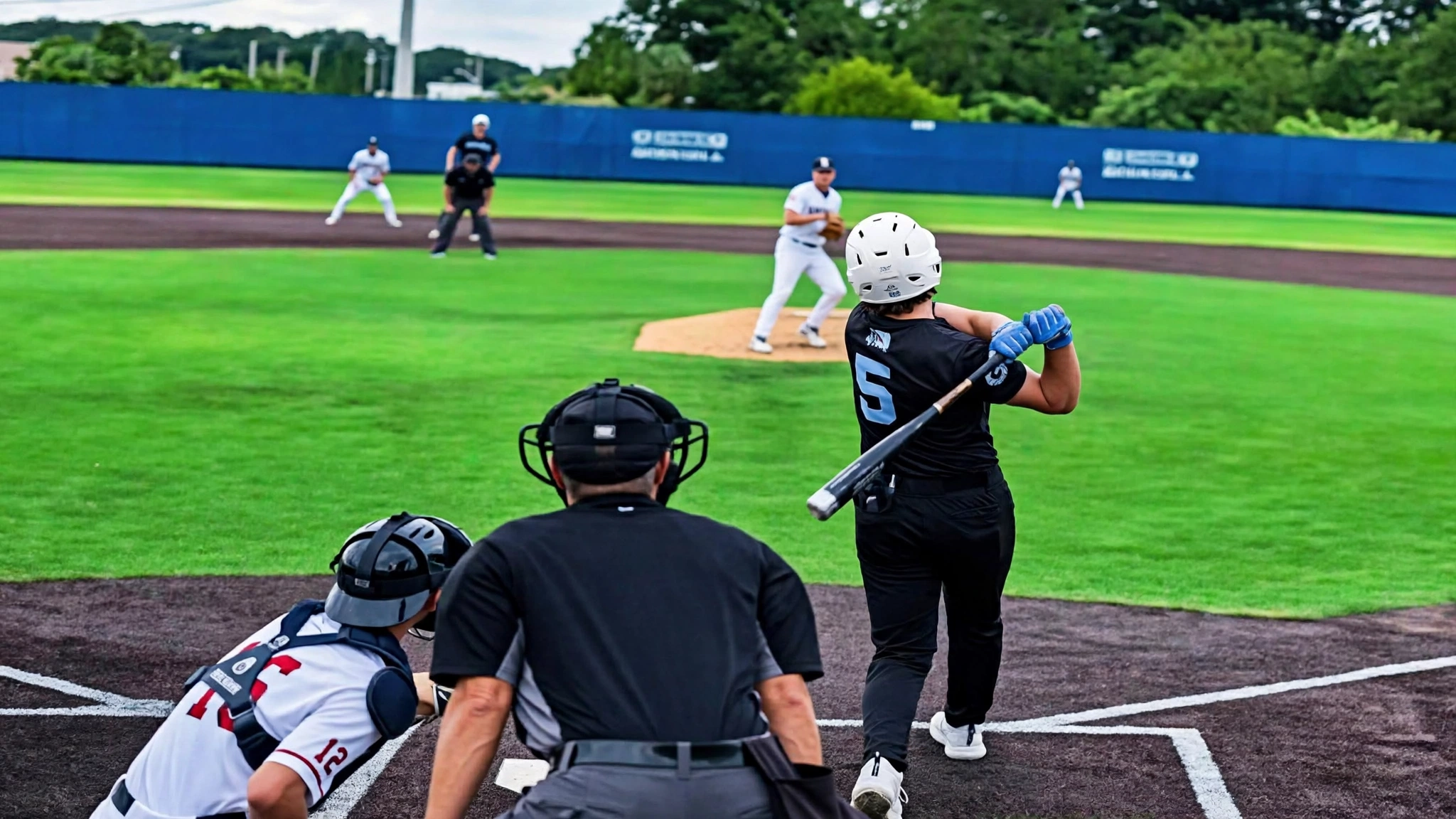
First pitch: fastball on the outside corner. You take it. The umpire calls strike one. From the dugout, it looks like you watched a good pitch go by. From the batter’s box, you know something we don’t: was that the pitch you wanted?
If you were looking middle-in and saw that ball stay away, I like the take. If you were looking for that exact pitch and your bat never left your shoulder, I want to know what stopped you. Same pitch. Same count. I wouldn’t coach those two takes the same way.
From 13U on up, that’s a question I want you answering for yourself. With two strikes, you may need to fight off that outside corner. At 0–1, you still get to hunt a pitch. You don’t owe the pitcher a swing because he got strike one.
Make the adjustment fit the strike
While the catcher throws the ball back, let a breath out. Give yourself one sentence you can use on the next pitch. Here’s what that sounds like:
- You took a good strike on the edge. “He hit his spot. I’m still looking middle-in.” Sometimes the pitcher does his job and you don’t need to change a thing.
- You were late on the fastball you wanted. “Same pitch. Get ready sooner.” If you felt rushed, get your move started a little earlier. That’s different from deciding to swing earlier. You still have to see where the ball goes.
- You chased a breaking ball below your knees. “Make him bring it up.” If he buries it again, let it go. If the next one hangs thigh-high over the plate, you’re allowed to hit it. The problem was the pitch you chased, not every breaking ball he throws.
If you took your pitch because you were afraid to swing and miss, be honest about that, too. “I wanted that one. I’ll be ready for it again” gives you a plan. “I’m swinging at the next one” gives the pitcher a free chase.
Use what you saw from the dugout
Say you’re up with a runner on second and one out. You watched this pitcher get two teammates out with fastballs away. Now he puts the first one on the outside corner against you.
At 0–1, I’d be willing to drive a fastball on the outer half instead of holding out for one on the inner half. But when I say “look away,” I still mean a strike. If you reach across the plate and roll a ball to second just to move the runner, you’ve given up your chance to drive him in on a better pitch.
You can change which strike you want without turning a ball into a strike. And if he misses back over the middle? Hit it. You were preparing for what he might do, not promising to swing only at what you predicted.
Try this in your next game
After the first at-bat where you go down 0–1, see if you can finish this sentence when you get back to the bench: “Strike one showed me ___. On the next pitch, I ___.”
“I was late on his fastball. On the next pitch, I got ready sooner and took his changeup low.” I’d take that answer even if you struck out two pitches later. It tells me you made a timing adjustment and still saw the ball well enough to take it. It also gives you something to use the next time you face him.
That’s what I mean by winning the 0–1 pitch. Sometimes it’s a ball in the gap. Sometimes you never take the bat off your shoulder, and this time you know exactly why.
For coaches teaching this between pitches, read After the Swing and Miss: What to Say to a Young Hitter.