HITTING DEVELOPMENT · 9U/10U
What Happens When Pitching Speeds Up at 9U/10U?
Coach Steve Goldstein · D1 All-American · CWS '12 · 7 min read
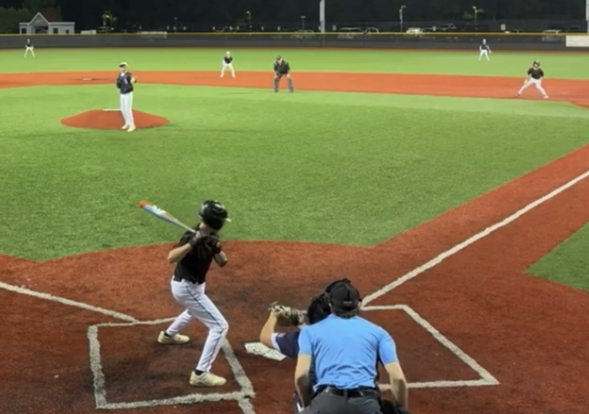
Every year I get the same call from parents of 9 and 10-year-olds. Their son hit everything last season. Now he's late, fouling balls straight back, swinging under fastballs, taking pitches he should be hammering, or starting his swing and trying to stop halfway.
The first thing they ask is, "What happened to his swing?"
Sometimes something did change mechanically. But most of the time, the answer is simpler than that.
The game got faster, and he hasn't learned to play at that speed yet.
Around 9U and 10U, pitchers start throwing harder. More of them can actually throw a fastball for a strike. Some start spinning breaking balls. The ball gets on the hitter quicker, and the things he got away with last year stop working.
It's Not Just About Swinging Faster
The most common fix I hear at this age is "he just needs more bat speed." Bat speed matters. But catching up to velocity isn't only about moving the bat faster.
Before the barrel ever gets to the ball, the hitter has to:
- See the pitch
- Recognize whether it's one he wants
- Make a decision
- Get his body ready
- Move efficiently into the swing
- Still adjust if the ball isn't where he expected
Every one of those steps takes time, and velocity takes that time away.
46 FEET · LITTLE LEAGUE MINORS & MAJORS
0.63 s
at 50 mph
0.52 s
at 60 mph
≈ 0.10 seconds gone. For a 9 or 10-year-old, that's huge.
Rubber-to-plate illustration. Actual time is a little shorter because the pitcher releases the ball in front of the rubber.
Velocity Exposes What Was Already There
When the ball comes in slow, a young hitter can get away with a lot. He can load late, take a big extra move, push his hands back, drift forward, cast the barrel, or decide late, and still get the bat there in time.
Slower pitching hides those problems. Faster pitching shows them.
That's why I don't look at a kid struggling against velocity as a bad sign. A lot of the time, it's just showing us what he needs to work on next. Here's what I usually see.
A Late Load Becomes Really Late
Against slow pitching, a hitter can start getting ready late and still catch up. Against better velocity, he can't. That doesn't mean I want him rushing everything. I want him ready earlier, which is a completely different thing.
WHAT IT LOOKS LIKE
- Body starts moving with the ball halfway home
- Late, rushed swings
WHAT I WANT
- Gather, load and get to launch on time
- Let the pitch tell him go or hold
Extra Movement Starts Costing Him
A big leg kick isn't automatically a problem. Neither is a hand load. Movement isn't the issue. The question I ask is whether the movement helps him get organized or makes his timing harder. I'm not trying to make every kid look the same or strip out his style.
WHAT IT LOOKS LIKE
- Three or four separate moves before the barrel comes
- Timing that changes swing to swing
WHAT I WANT
- Movement that's repeatable enough to be on time
Pitch Recognition Becomes a Real Skill
At younger ages, most kids are running one thought: see ball, swing. As pitchers get better, that isn't enough. A kid can have a great-looking swing and still struggle if he's late recognizing the pitch.
WHAT IT LOOKS LIKE
- Great cage swings, late in games
- Decisions made after the ball is on him
WHAT I WANT
- Reading strike or ball, his zone or not, earlier
Kids Start Guessing
When hitters feel rushed, a lot of them decide before the pitcher even throws. "I'm swinging no matter what." Maybe they catch up to one fastball, but now they're chasing everything else. The answer isn't guessing. It's knowing what you're hunting.
WHAT IT LOOKS LIKE
- Swinging at everything
- Chasing out of the zone
WHAT I WANT
- Ahead in the count, hunt a fastball in your zone. Not there? The pitch tells you no.
Mechanics and Approach Start Connecting
If a hitter doesn't know what he's looking for, his body looks hesitant. If he recognizes the pitch late, his mechanics break down because he's rushing. If he's afraid to strike out, he slows the swing down and gets defensive.
WHAT IT LOOKS LIKE
- Hesitant, defensive swings
- Mechanics that fall apart only in games
WHAT I WANT
- A clear plan before the pitch, so the body can work freely
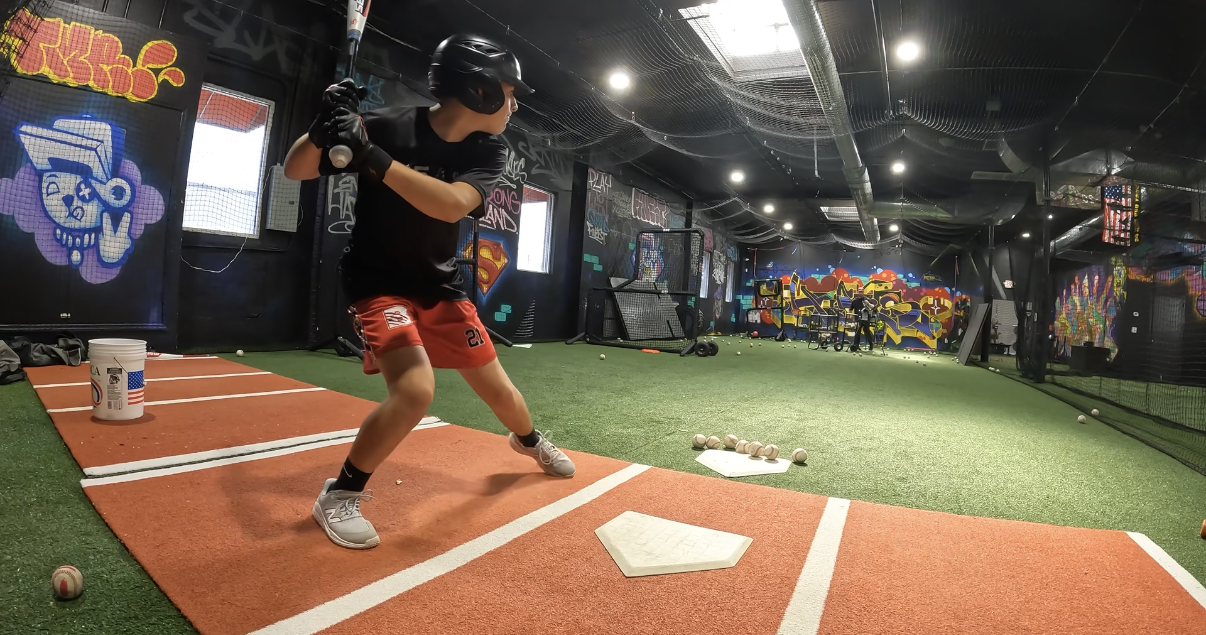
Why Cranking Up the Machine Isn't Enough
The other common fix is to turn the machine way up and tell the kid to catch up. Velocity work has a place. Hitters need to see speed. But firing fast pitches at a young hitter isn't development on its own.
- Loading late? More velocity just gives him 30 more late swings.
- Can't read the pitch? He'll learn to swing early at everything.
- Lunging because he feels rushed? More speed can reinforce the exact move we're fixing.
Velocity training works when the hitter knows what he's adjusting. Sometimes it's getting ready earlier. Sometimes it's deciding faster. Sometimes it's cleaning up an extra move, or learning to hunt one part of the zone.
The speed is the challenge. The hitter still needs a plan to meet it.

What I Want 9U and 10U Hitters Learning
I don't expect a 9-year-old to think like a big leaguer. But this is the right age to start building the habits that let him handle better pitching later.
- Get ready before the ball forces him to rush
- Know which pitches he can do damage on
- A repeatable move into launch
- Recognize pitches earlier
- Understand that different counts mean different jobs
- Make decisions with conviction
A kid who's always stuck between swinging and taking is going to struggle more every year as the pitching gets better. A kid who gets ready early, sees the ball, and makes a clear decision gives himself a real chance.
Don't Panic When the Game Speeds Up
If your son hit everything at 8U and looks uncomfortable against better pitching at 9U or 10U, it doesn't mean his swing fell apart. The level is asking him a harder question.
He has less time now. His timing has to be sharper, his movement more efficient, his pitch recognition better, and his approach more intentional. That's what development looks like at this age.
I'm not interested in building a swing that only looks good when I'm flipping balls from 15 feet away. I want hitters who can stay organized, make a decision, and compete when the game speeds up, because it only gets faster from here.
The hitters who keep moving up usually aren't the ones with the prettiest swing. They're the ones who learn how to adjust.
If your hitter is running into this, an assessment is where I start.