Baseball IQ: The Real Separator
Tools get you noticed. Baseball IQ keeps you on the field. Here's why every elite hitter I've played with thinks the same way at the plate.
Tools open the door. Baseball IQ keeps you in the room.
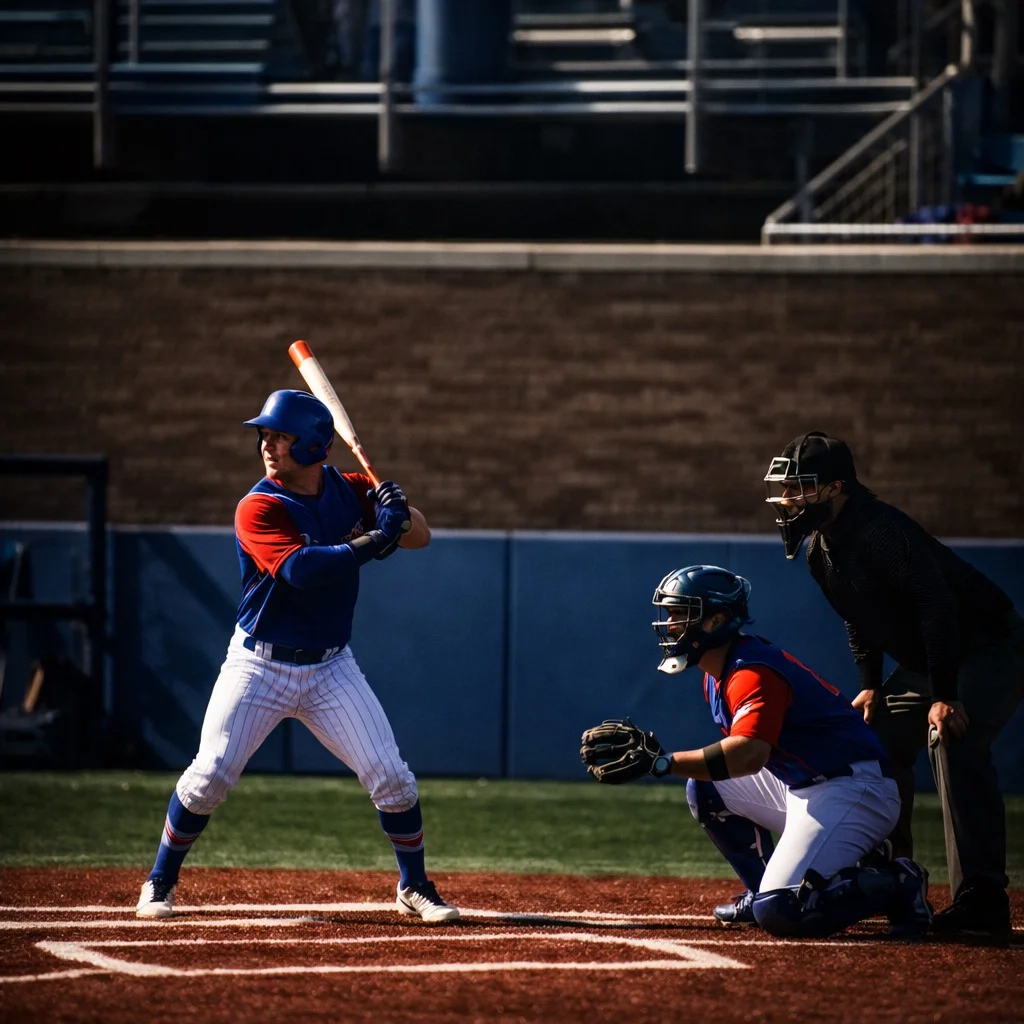
Every elite hitter I played with — from Cape Cod to the Big 12 to teammates who became MLB regulars — had a plan before they stepped in the box. The mechanics looked different. The plan looked the same. They were investigators, not guessers, and they treated every pitch like data for the next one.
That's the part of the swing nobody trains. Parents pay for bat speed. Scouts notice exit velo. But the players who keep advancing past 14U, past JV, past the freshman year of college — they win because they think better.
Before the at-bat:
- How did this pitcher get me out last time?
- What's his out pitch in this count?
- Where is the defense playing me, and what does that tell me about the report on my swing?
- What does my team need from this at-bat — a baserunner, a deep count, a run scored?
During the at-bat:
- What does the count want me to do?
- What pitch am I sitting on, and what am I covering?
- If he throws his best, can I do damage — or do I need to foul it off and reset?
- Did the catcher's setup just give something away?
After the at-bat:
- What did he show me that I'll see again?
- What did I show him that he'll attack next time?
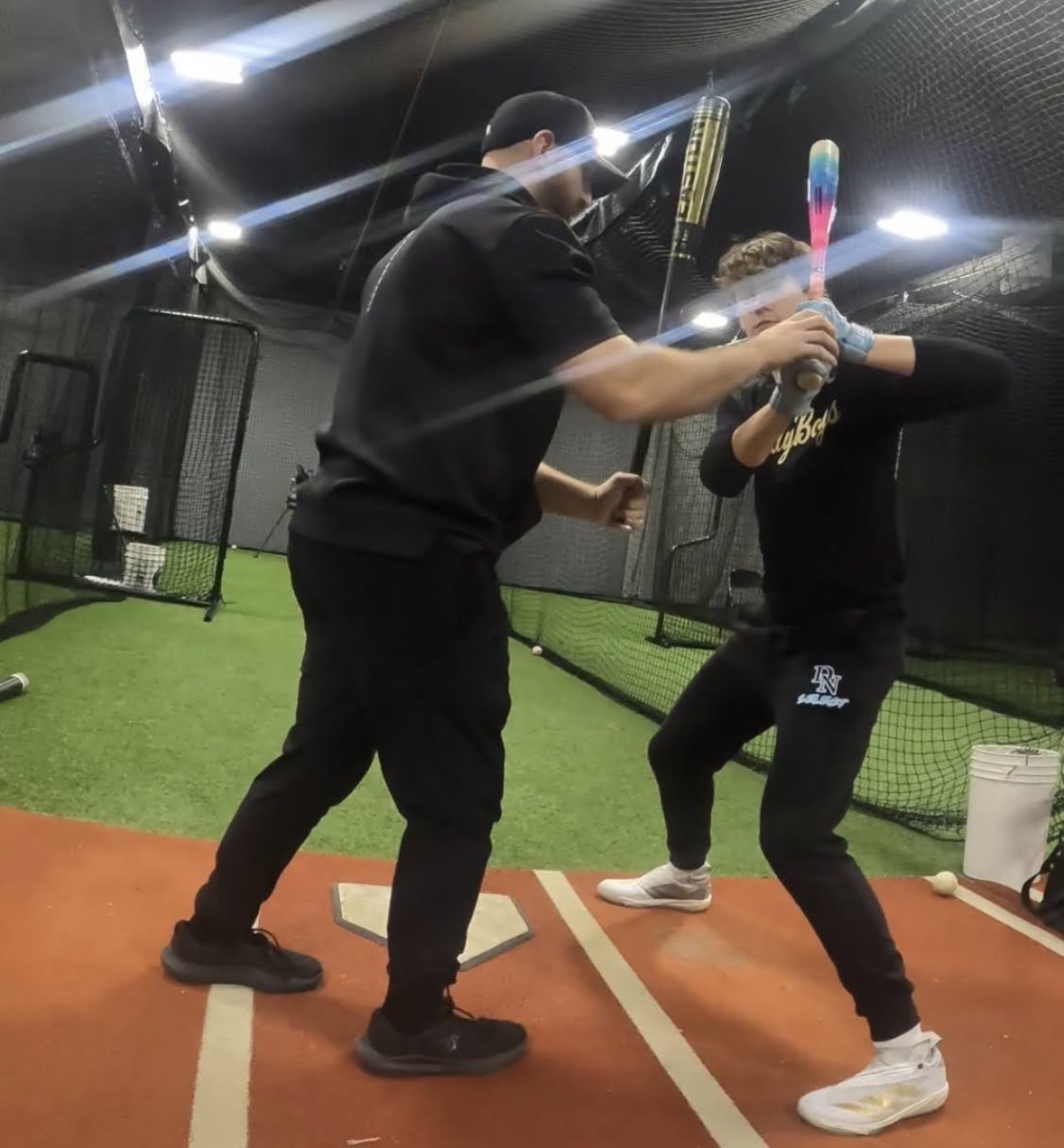
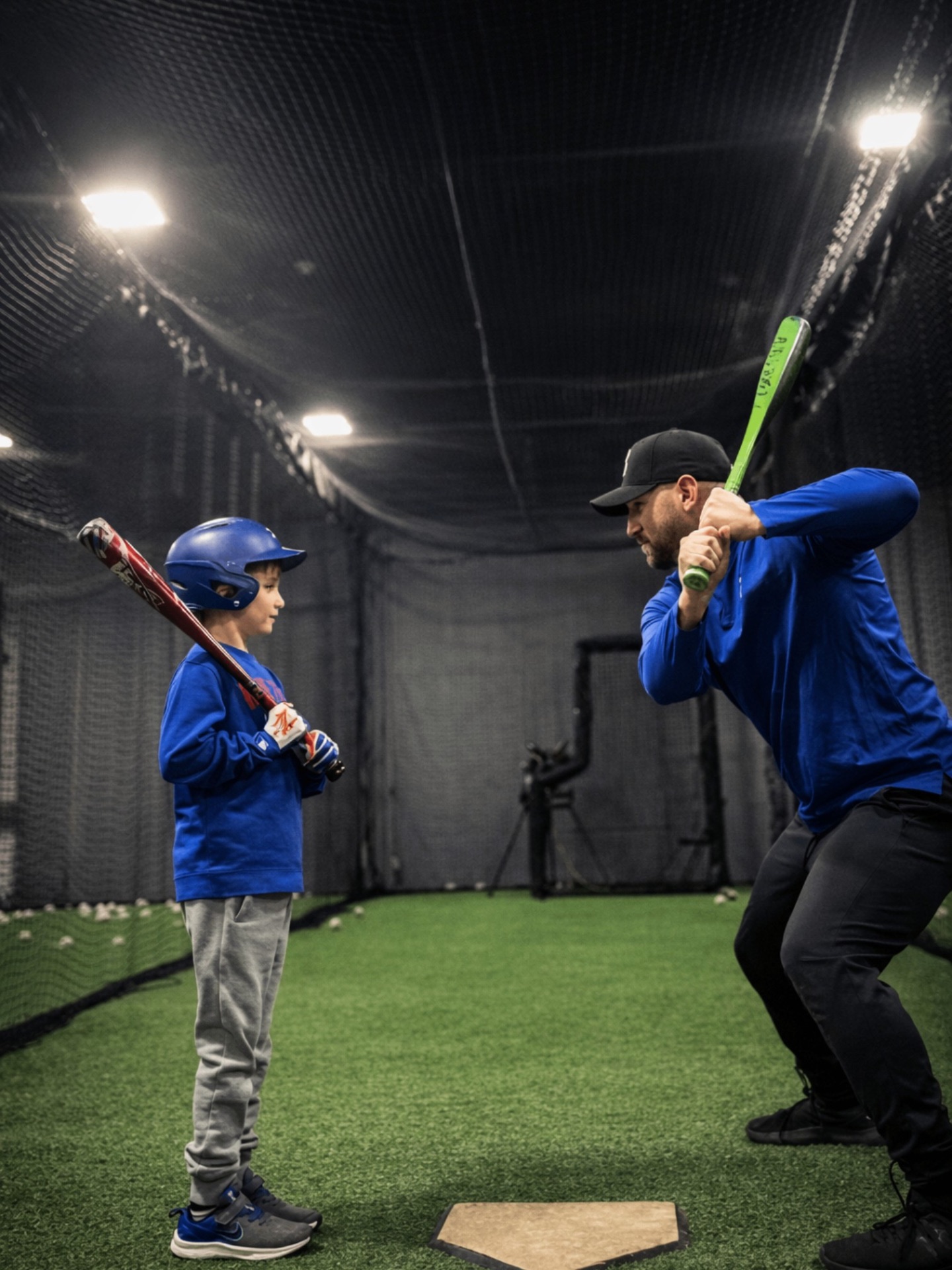
Baseball IQ is trainable the same way mechanics are: through reps, feedback, and accountability. We use video review, in-cage situational at-bats, and "what's the plan?" callouts before every round. Once the thinking is built, the swing has somewhere to go.
THE NEXT STEP
WANT THIS DIAGNOSED ON YOUR HITTER?
Your hitter probably doesn’t need more random swings. They need to know what they’re actually trying to fix.
Start with an Initial Hitting Assessment — video analysis, swing and mechanics evaluation, approach and hitting-IQ review, and a clear development plan.