Why Cage Hitters Struggle in Games (And How to Fix It)
Mindless cage swings do not produce game results. Learn how to train pitch recognition, count leverage, and timing to turn cage practice into game hits.
In this article5 sections · tap to jump
Why the Cage Fails to Transfer to Games
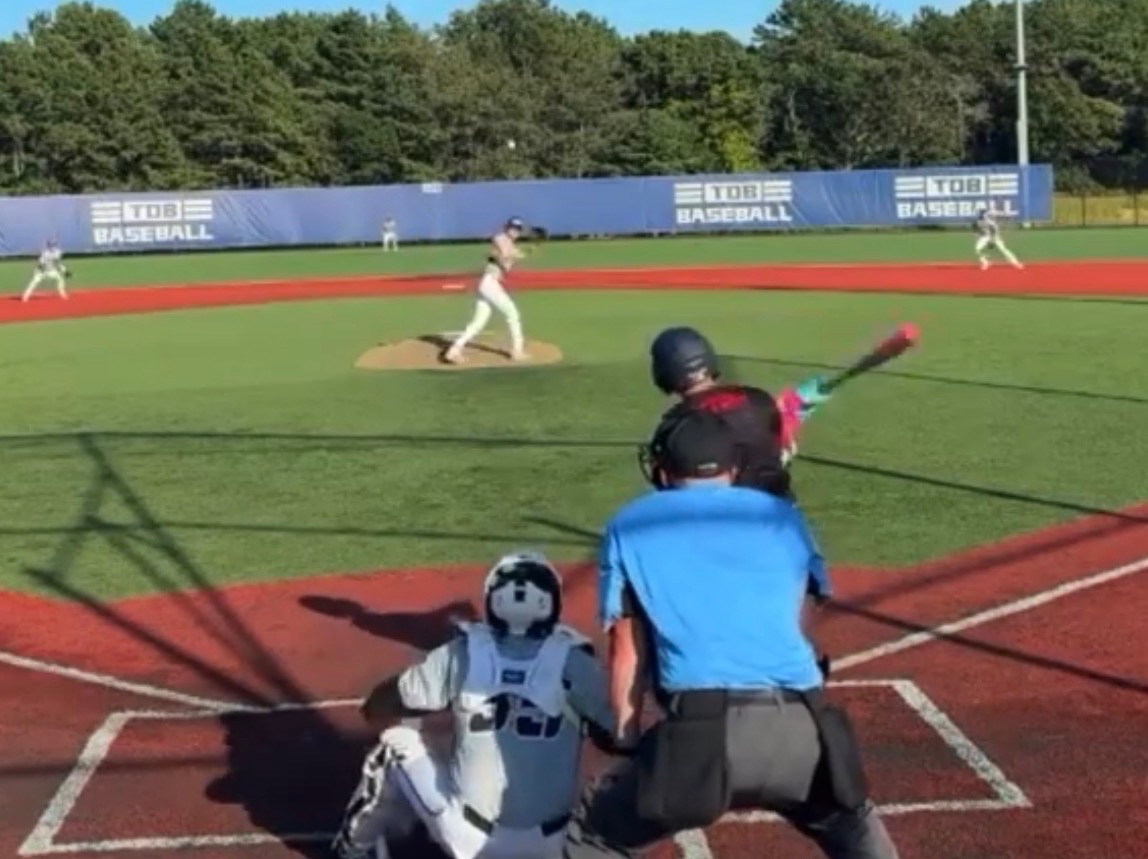
Hitters often smoke line drives in the cage and then go 0-for-3 on Saturday. In high school and early college, I was that cage MVP, hitting balls off college housing units and through our scoreboard while Oklahoma State watched. Practicing comfortable swings against predictable feeds looked impressive, but it did not prepare me for a pitcher whose job was to get me out.
The cage gets comfortable quickly because the feeder is ten feet away, throwing the same speed in the same location with no pressure. Games demand skills that mindless reps ignore, including pitch recognition, strike zone control, timing adjustments, and two-strike execution. If you are training at a batting cage on Long Island, the goal is not racking up swings, but building an approach that holds up against unpredictable pitching.
Start With a Game Problem
Do not start a training session by just stepping in to hit. A focused thirty minutes targeting a specific flaw beats an hour of mindless swings every time. Give your session direction by picking one real problem to address before taking a single swing.
- Being late on fastballs or losing timing against slower pitchers.
- Chasing pitches below the zone or pulling off outside locations.
- Failing to drive the ball back through the middle of the field.
- Getting defensive and passive in two-strike counts.
Build From Movement to Swing Decisions

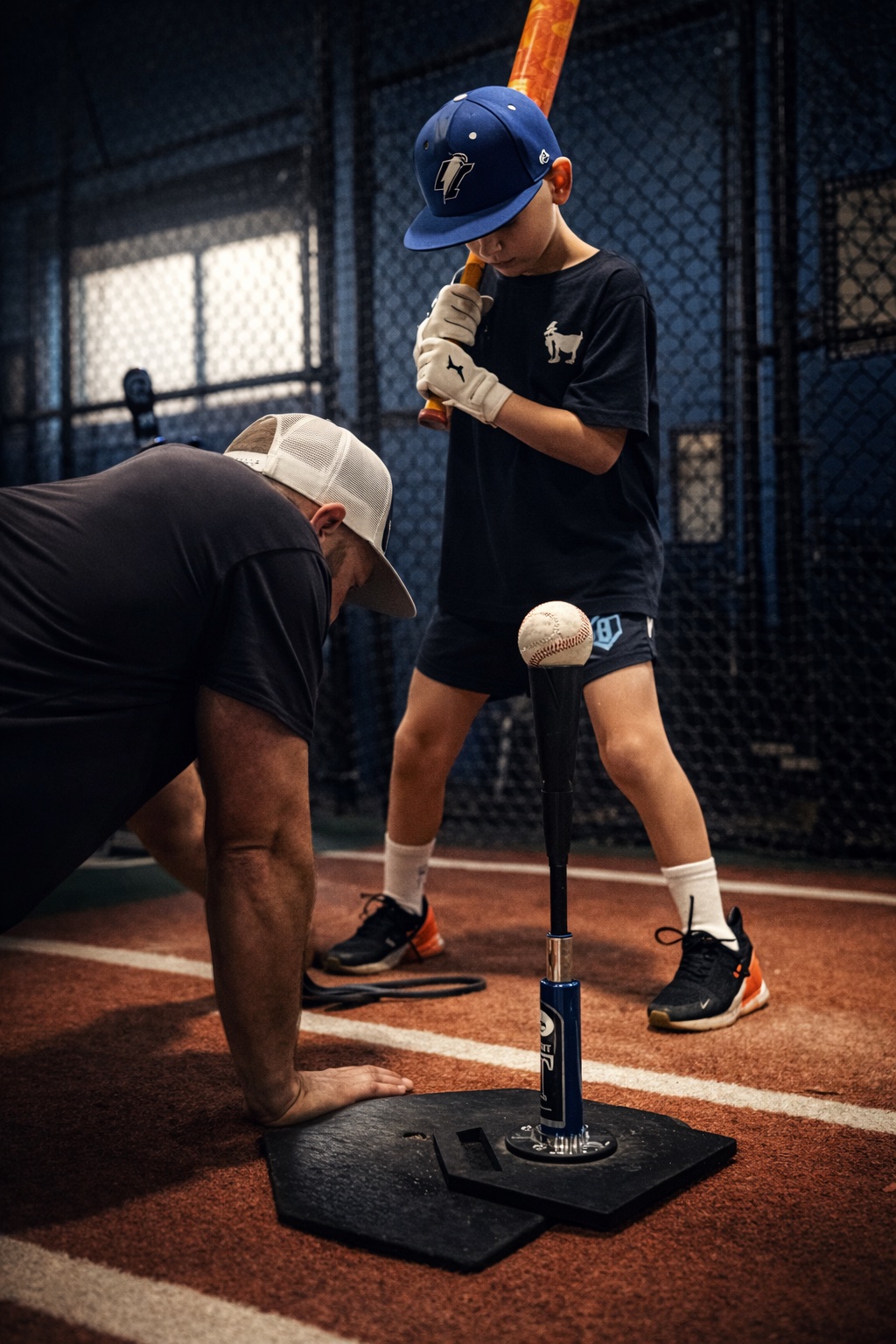
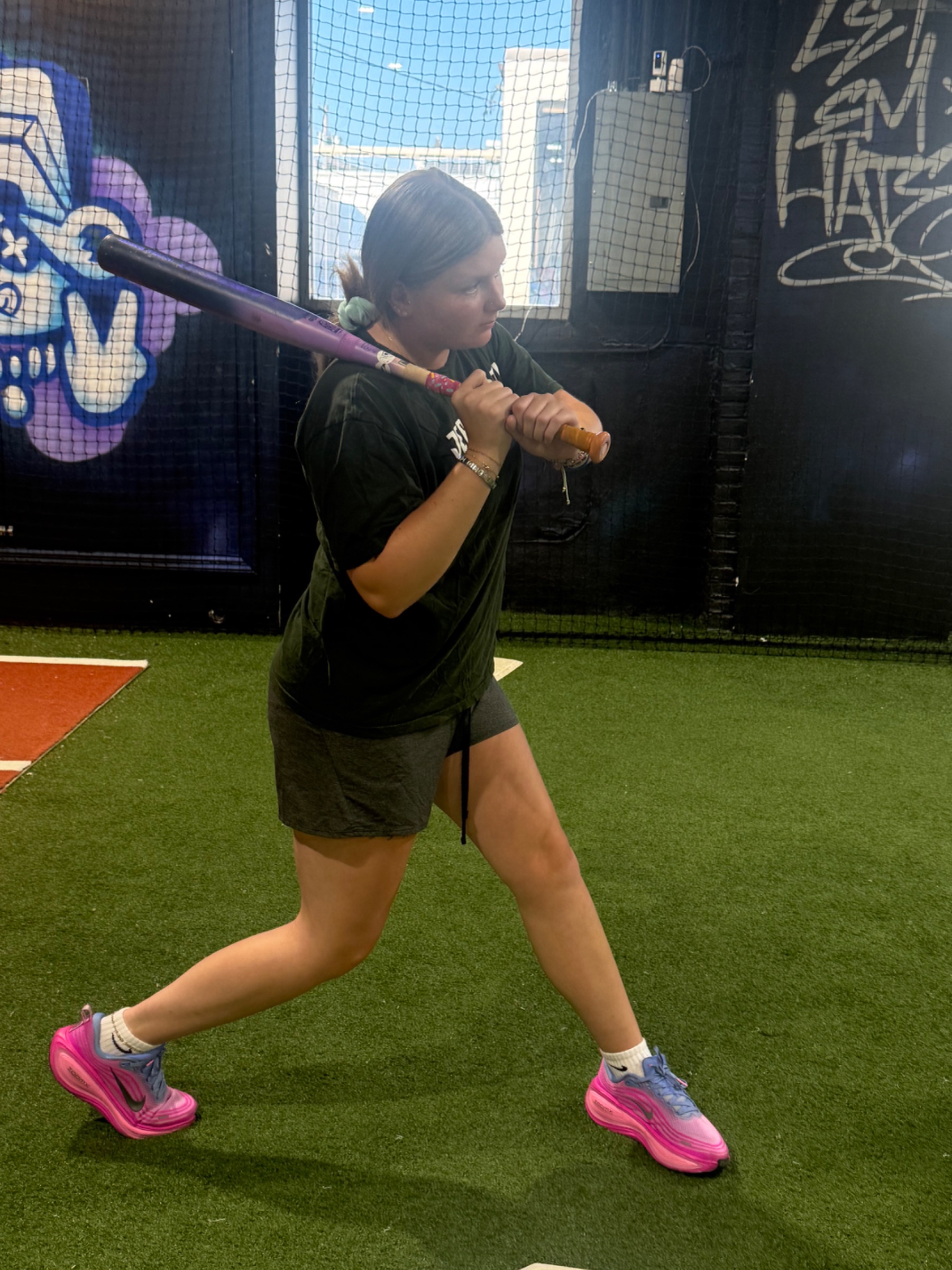
Start simple with dry swings or tee work to lock in your balance, posture, and path with a single cue. Next, move to front toss or a controlled machine to keep that movement while driving the ball through the middle of the field. From there, adjust contact points to handle inside pitches out front and let outside pitches travel deeper.
The critical step most cage sessions skip is practicing swing decisions. Before each pitch, pick a specific zone you are hunting and take anything outside of it. You can also have a partner call swing or take after release to force you to stay ready while processing the pitch.
Train Counts, Speeds, and Consequences
Your approach must shift based on the count instead of treating every pitch the same. Shrink the zone in advantage counts like 2-0 or 3-1 to hunt your pitch, stay ready in even counts, and commit to fighting off tough pitches with two strikes. Vary your machine speeds across separate rounds so you learn to create your own timing rather than letting the machine hand it to you.
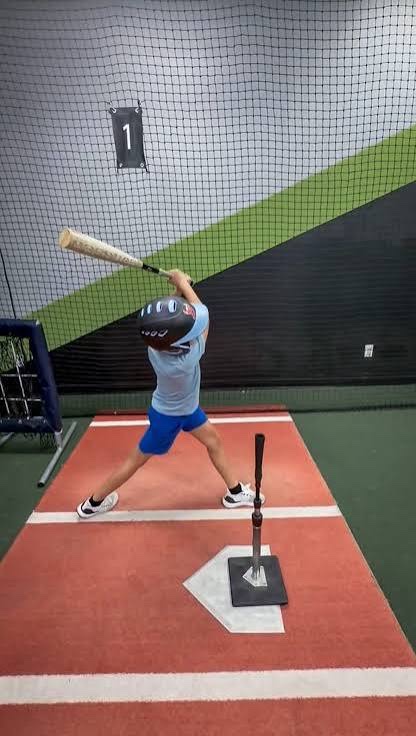
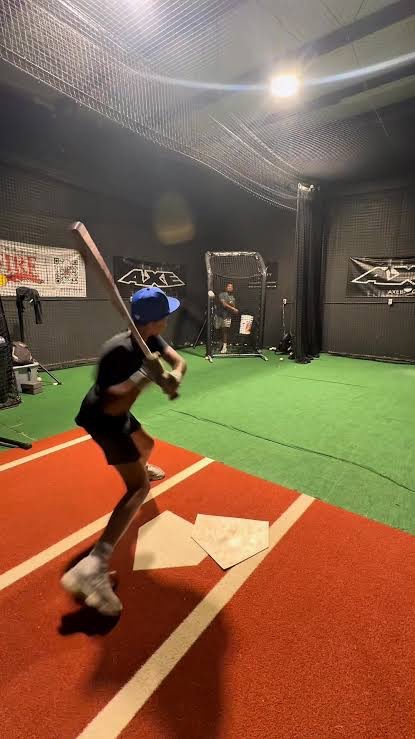
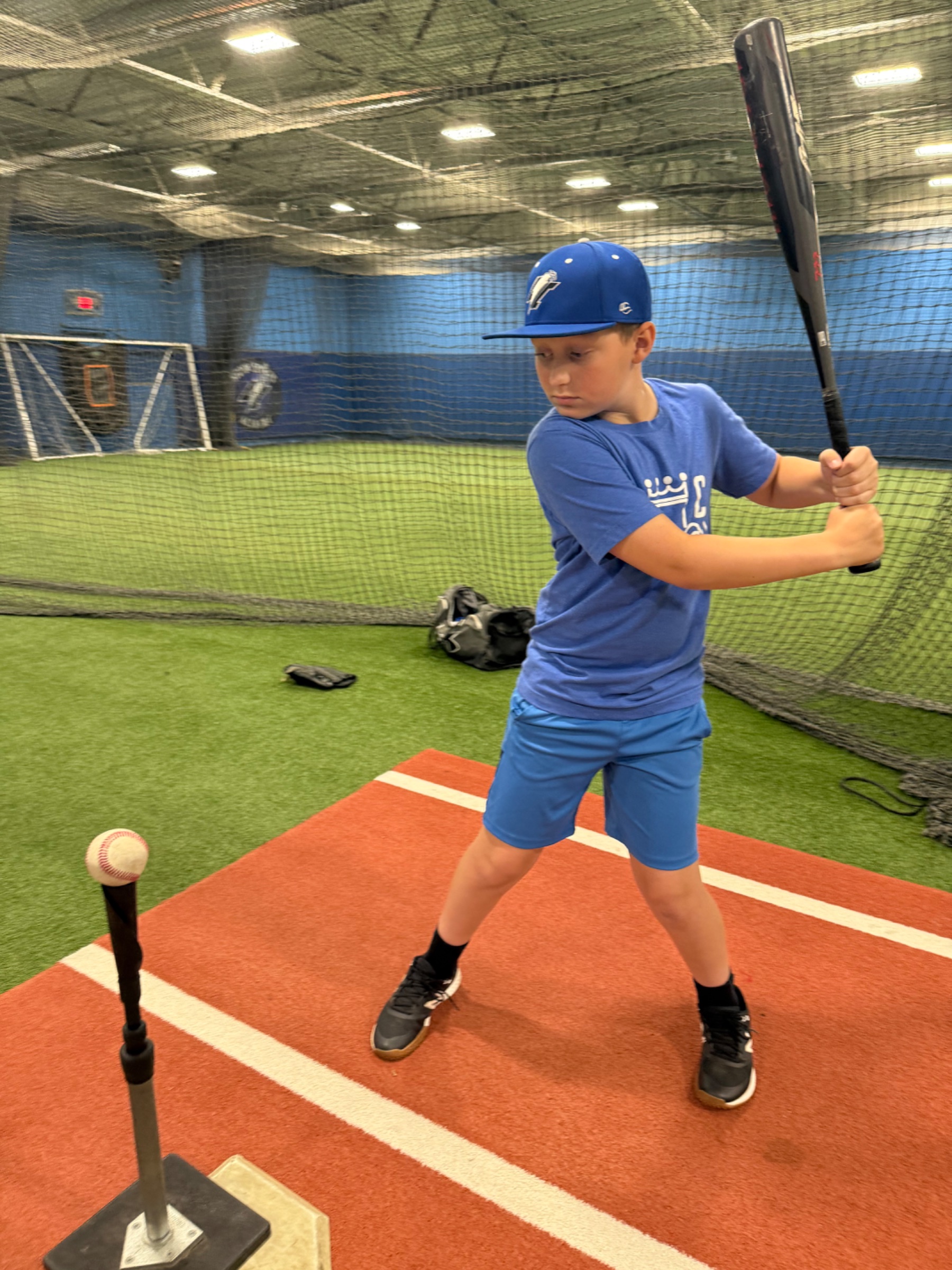
Attach consequences to your rounds, such as requiring three quality swings before making two bad decisions or scoring a runner from third. The moment fatigue causes you to lose posture, rush your load, or repeat bad swing decisions, shut the session down. Hitters develop by stacking quality movements and disciplined decisions, not by collecting hollow repetitions.
Schedule an Initial Hitting Assessment
Turning cage practice into game production requires an intentional plan tailored to how you actually compete. If you are ready to evaluate your swing mechanics, pitch recognition, and approach, you can book an Initial Hitting Assessment to get started.
THE NEXT STEP
WANT THIS DIAGNOSED ON YOUR HITTER?
Your hitter probably doesn’t need more random swings. They need to know what they’re actually trying to fix.
Start with an Initial Hitting Assessment — video analysis, swing and mechanics evaluation, approach and hitting-IQ review, and a clear development plan.