The Different Ways to Load in a Baseball Swing—and What Actually Matters
A high leg kick, small leg lift, or simple pick-up-and-put-down can all work. The right load is the one that keeps a hitter balanced, on time, and able to adjust when the pitch changes.

In this article11 sections · tap to jump
After a hitter develops a comfortable grip and a strong stance, the next piece of the swing is the load.
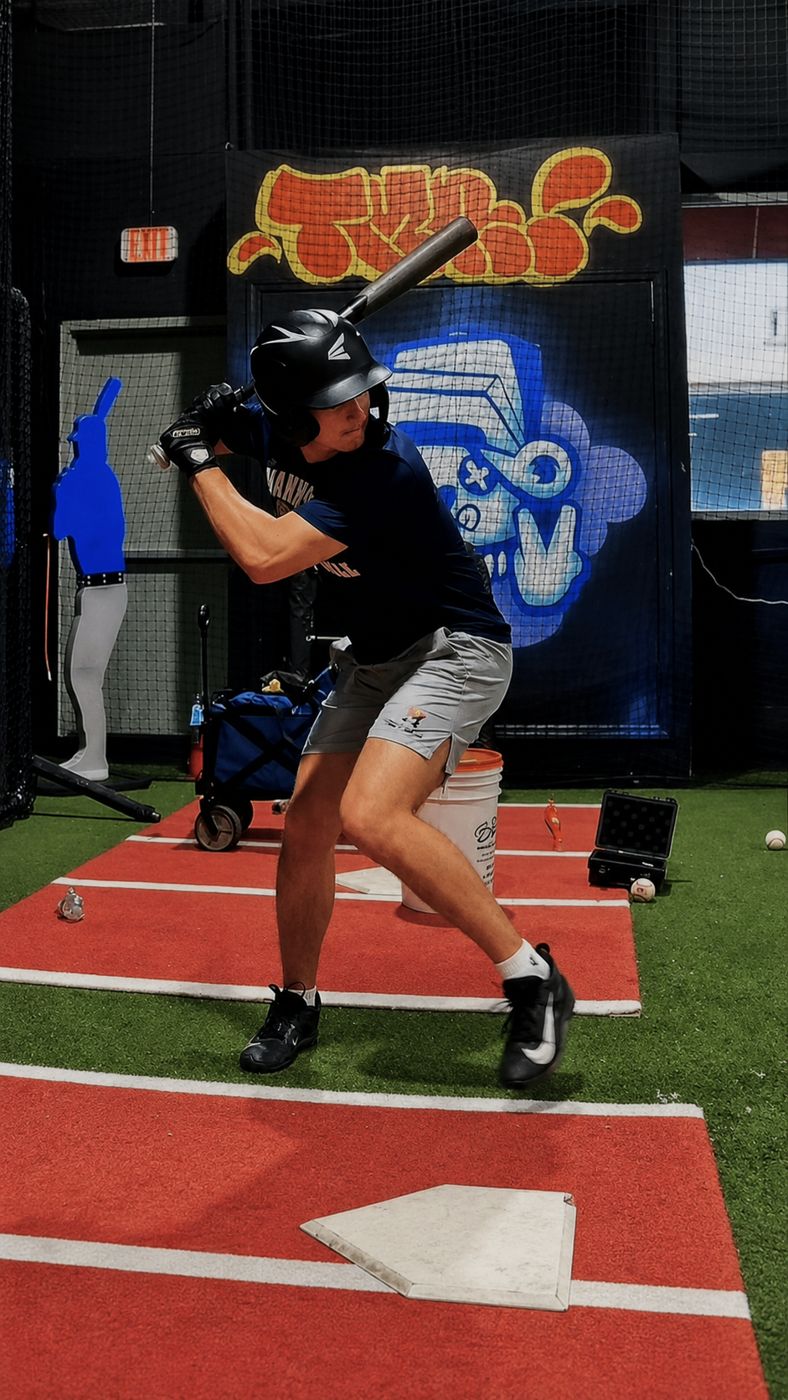
The load is the first move that gets the body ready to hit. It begins before the hitter fully moves forward, before the stride is completed, and before the swing launches. It is how the lower half, hips, torso, hands, and barrel begin working together.
There is no single load that every hitter must copy.
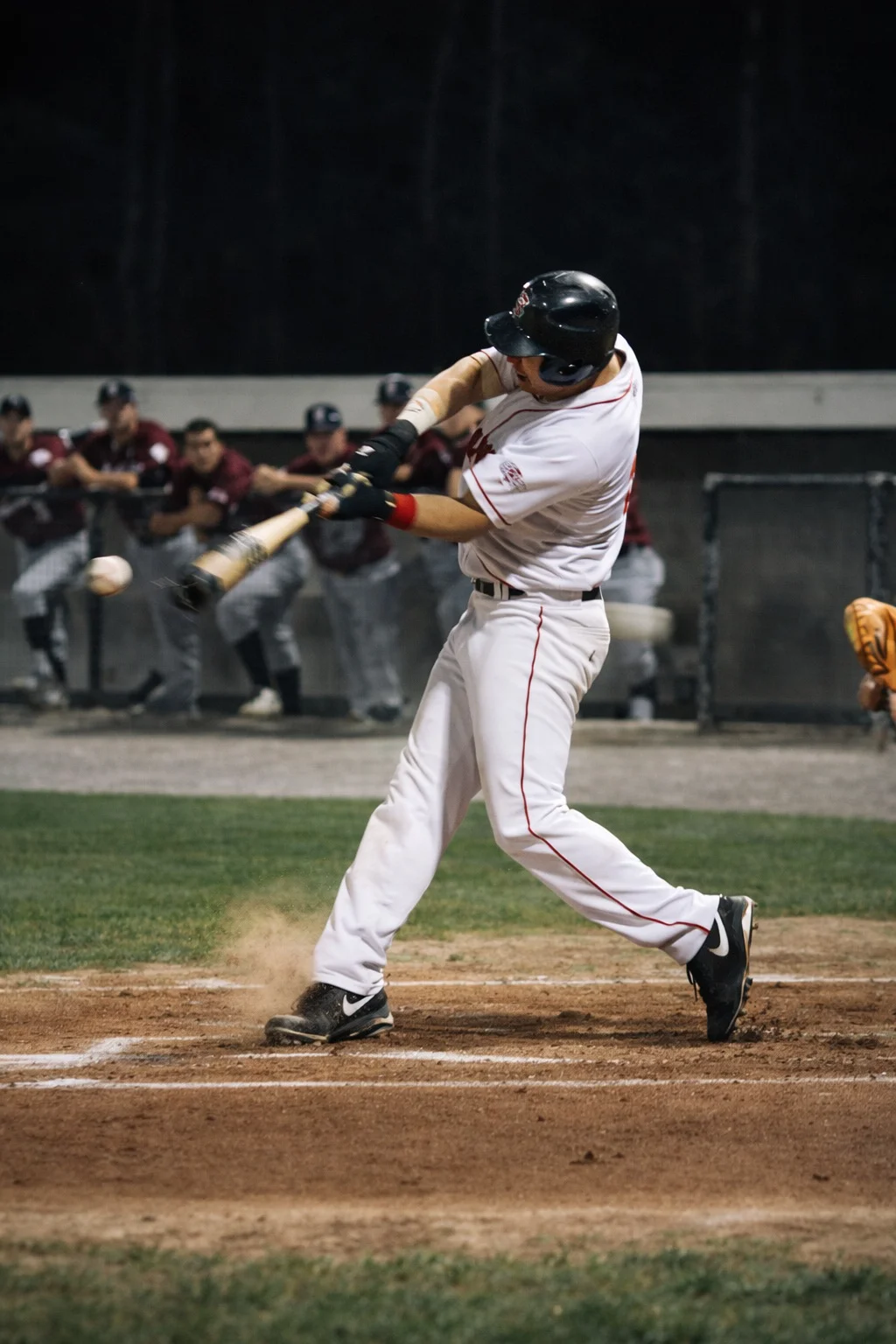
Some hitters use a high leg kick. Others use a small leg lift. Some simply pick the front foot up and put it back down. The hand and barrel movement can look different too.
The style is personal. The purpose is not.
A good load must help the hitter get started on time, stay balanced, control the forward move, and remain adjustable when the pitch is not exactly what was expected.
What the Load Is Supposed to Accomplish
A good load should:
- Create rhythm without making the swing rushed
- Engage the lower half without forcing the weight onto the back leg
- Gather the hips and torso around a stable center
- Prepare the hands and barrel without creating unnecessary distance
- Keep the hitter in position to move forward under control
- Preserve the ability to adjust to velocity, location, and off-speed
The load is not about making the biggest move possible. It is about creating the right amount of movement for that hitter.
If the move looks powerful but makes the hitter late, off balance, or unable to recognize the pitch, it is not helping.
Three Common Front-Foot Load Styles
The front foot often creates the visible rhythm of the load. All three of these styles can work.
1. High Leg Kick
A high leg kick can help a hitter create rhythm and gather energy. It is not automatically too big or too complicated.
The key is whether the hitter can control it.
At the top of the leg lift, the hitter should still be balanced. The head and torso should not drift behind the back foot. The rear hip should stay supported inside the base instead of collapsing backward. The hitter must be able to come out of the leg kick smoothly without rushing to get the foot down.
A high leg kick is useful only if the hitter can repeat it against different deliveries and pitch speeds.
2. Medium Leg Lift
A medium leg lift gives the hitter a visible gather without requiring as much balance or timing as a high kick.
For many hitters, this is enough movement to create rhythm while still making it easier to control the move forward. It can be a strong middle ground for players who feel too static with a minimal load but lose posture with a larger leg kick.
3. Simple Pick-Up and Put-Down
Some hitters work best with very little front-foot movement. They pick the foot up slightly and put it back down, or use a small toe tap.
A quiet front-foot move does not mean the hitter is failing to load. The hips, torso, and hands can still gather even when the leg action is small.
This can be especially helpful for young hitters or for players whose bigger move is creating late starts, excessive head movement, or inconsistent timing.
The goal is not to graduate from a small load to a high leg kick. Bigger is not better. Controlled and repeatable is better.
Maintain the Center—Do Not Sway Back
One of the most common mistakes is confusing a load with shifting all of the weight onto the back side.
The hitter should feel gathered, but the body should not fall backward. When the head and center of mass drift too far over or behind the back leg, the hitter has to make an extra move just to get back toward the ball.
That costs time and makes pitch recognition harder.
Think of the body staying organized inside the stance. The front knee can lift, the rear hip can gather, and the torso can coil without the hitter losing the ability to move forward under control.
A useful checkpoint is this: pause the video at the highest point of the leg lift. Could the hitter move forward smoothly from that position, or would the hitter have to recover balance first?
How the Hips Load
As the lower half begins, the hips can make a small inward turn. From the hitter’s perspective, the belt buckle may turn slightly toward the catcher.
This creates a controlled coil and gives the lower half a head start without opening early.
The move should be small. The hitter is gathering the rear hip—not spinning, sinking, or turning so far that the body becomes locked.
For younger hitters, this does not need to be forced. Start with balance and rhythm. As body awareness improves, the hitter can learn to create more efficient hip coil without adding tension.
How the Upper Body Loads
The upper body has movement too, but it should remain connected to the lower half.
A hitter may feel the front shoulder work slightly down while the back shoulder works slightly up. This is a small gathering action, not a dramatic tilt. It helps the torso load while the hitter maintains posture.
The amount of shoulder movement may depend on the stance. A hitter who begins with the back elbow lower may show a little more upper-body movement as the elbow and barrel organize.
The important part is that the hitter does not pull the entire upper body away from the pitcher or wrap the shoulders so far that the barrel becomes late.
Different Hand and Barrel Loads Can Work
Just like the leg kick, the hand and barrel load can look different from hitter to hitter.
Some hitters tip the barrel slightly toward the pitcher. Some use a small gather toward the catcher. Others keep the hands and barrel relatively quiet.
All of those styles can work if the hitter can arrive on time.
What usually creates problems is excessive movement:
- The hands climb too high
- The hands pull too far away from the body
- The hands wrap behind the head
- The barrel tips so far that it cannot return to a strong launch position on time
- The hitter creates extra movement that has to be undone before attacking the ball
The hands should remain organized near the back shoulder while the barrel prepares to work. The hitter does not need to freeze the hands, but every movement must have enough time to organize before the swing launches.
The Best Load Is the One That Survives the Game
A load should never be judged only by how it looks during tee work or comfortable batting practice.
The real test is whether it holds up when:
- The pitcher changes timing
- The velocity increases
- An off-speed pitch forces the hitter to wait
- The hitter is in a two-strike count
- The game creates pressure
- The hitter must make an adjustment from one pitch to the next
A load that produces a beautiful cage swing but removes adjustability is not a successful load.
The hitter must be able to start early enough to avoid rushing, stay controlled long enough to recognize the pitch, and still be in position to attack.
Common Load Mistakes
Watch for these breakdowns:
- Swaying the head and torso behind the back foot
- Collapsing or sitting into the back leg
- Starting the load too late and rushing the stride
- Using a leg kick the hitter cannot balance or repeat
- Spinning the hips too far during the gather
- Pulling the hands too far back
- Wrapping the barrel behind the head
- Adding movement because it looks powerful rather than because it improves timing
- Becoming so still that the body has no rhythm or athletic gather
Each mistake creates a different problem. That is why the answer is not always “make the load smaller” or “get the foot down sooner.” The coach must identify which part of the move is actually breaking down.
How to Choose the Right Load for a Hitter
The right load depends on the hitter’s age, strength, balance, mobility, rhythm, body awareness, and ability to make timing adjustments.
Young hitters usually benefit from beginning with a simple, controllable move. More movement can be added if it helps the hitter create rhythm without sacrificing posture or timing.
Older hitters may use a more advanced hip coil, leg kick, or barrel action—but only if those movements improve performance.
Movement has to be earned through control.
A coach should not force every hitter into the same leg kick or hand position. The job is to help each hitter build a load that fits the athlete and gives the swing the best chance to work against real pitching.
A Simple Video Check
Film the hitter from the side and pause the swing at the top of the load.
Ask:
- Is the head still controlled inside the base?
- Is the hitter gathered without falling behind the back foot?
- Are the hips coiled without opening early?
- Are the hands organized near the back shoulder?
- Can the hitter move forward smoothly from this position?
- Can the hitter repeat the same general move without needing perfect batting-practice timing?
The load does not have to look identical on every swing. It does need to keep the hitter close enough to the athlete’s best move that the swing remains recognizable, adjustable, and competitive.
Final Takeaway
There is no perfect leg kick, toe tap, barrel tip, or hand load for every player.
A hitter can load in different ways as long as the move creates rhythm, protects balance and posture, organizes the body, and leaves enough time to see the pitch and adjust.
Do not chase the load that looks the best in the cage.
Build the load that gives the hitter the best chance to compete when the game speeds up.
THE NEXT STEP
WANT THIS DIAGNOSED ON YOUR HITTER?
Your hitter probably doesn’t need more random swings. They need to know what they’re actually trying to fix.
Start with an Initial Hitting Assessment — video analysis, swing and mechanics evaluation, approach and hitting-IQ review, and a clear development plan.