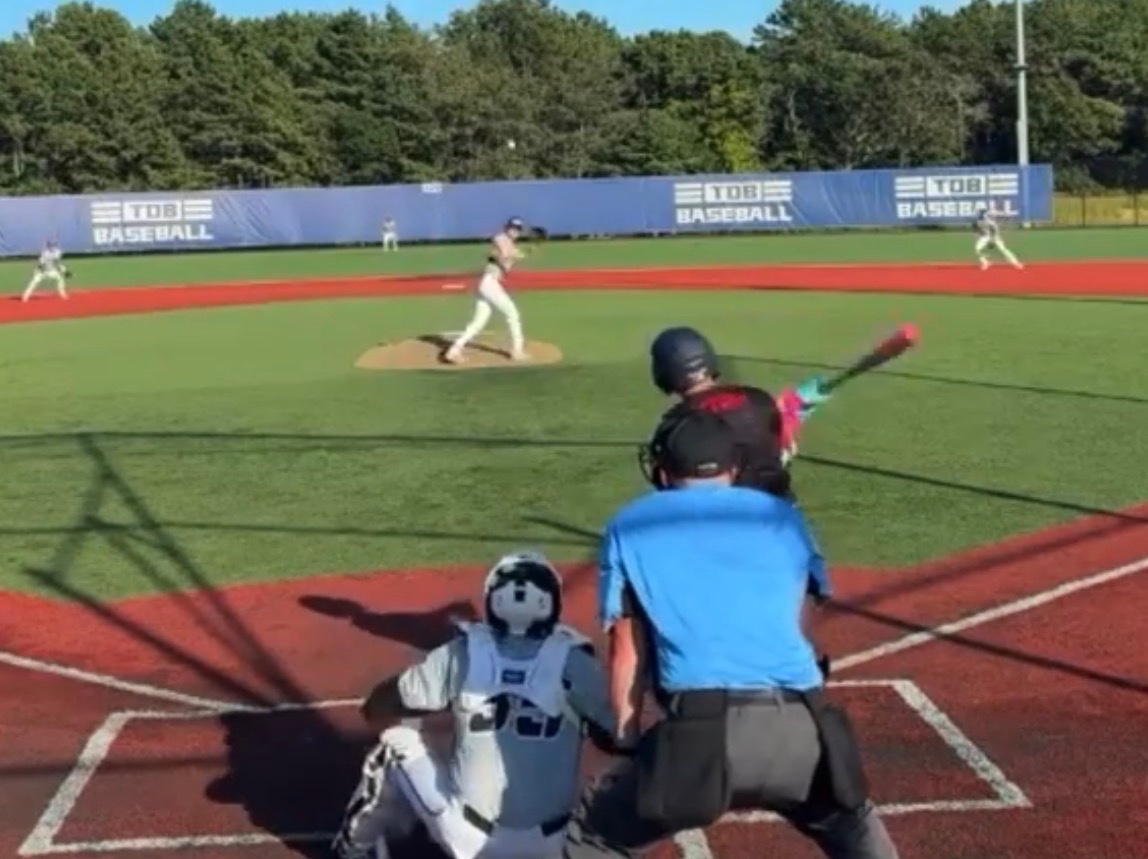
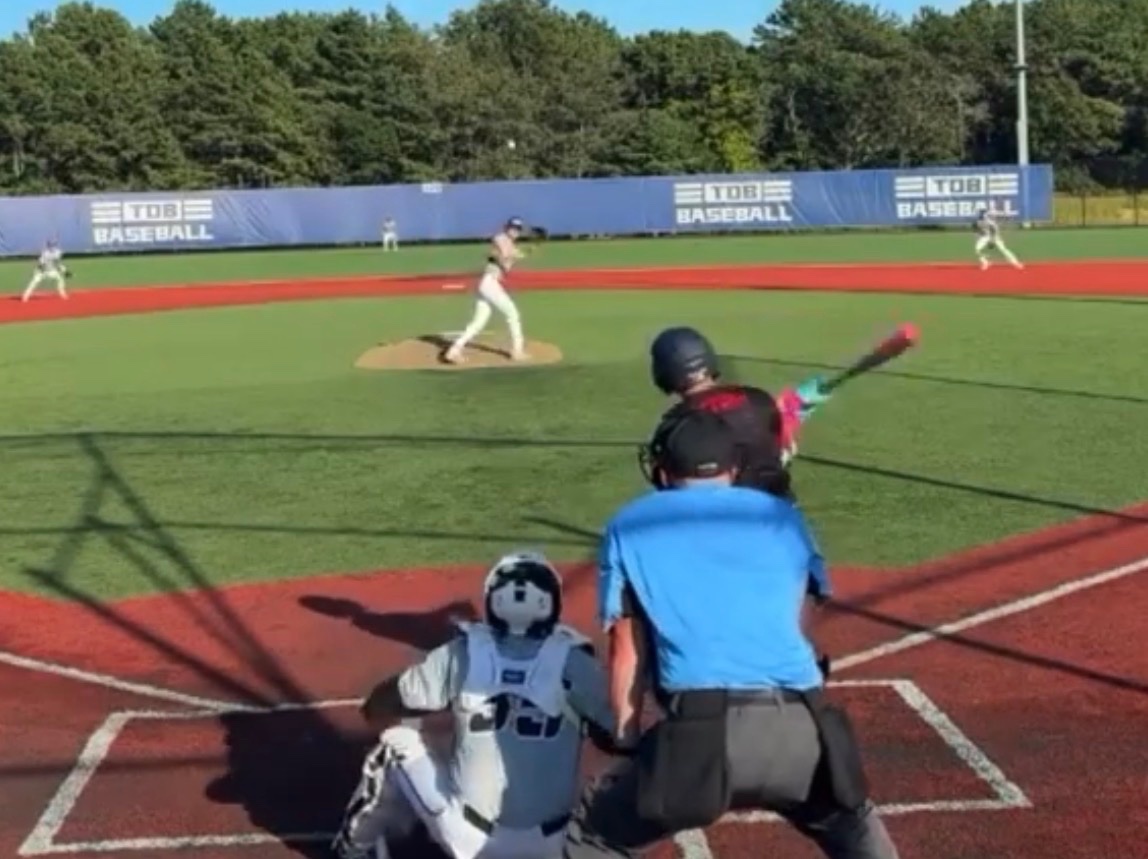
How to Choose the Right Hitting Coach on Long Island: 10 Questions Parents Should Ask
The best coach is not automatically the one with the biggest name, nicest facility, or most impressive batting-practice videos. Ask these 10 questions to find the right development fit for your hitter.
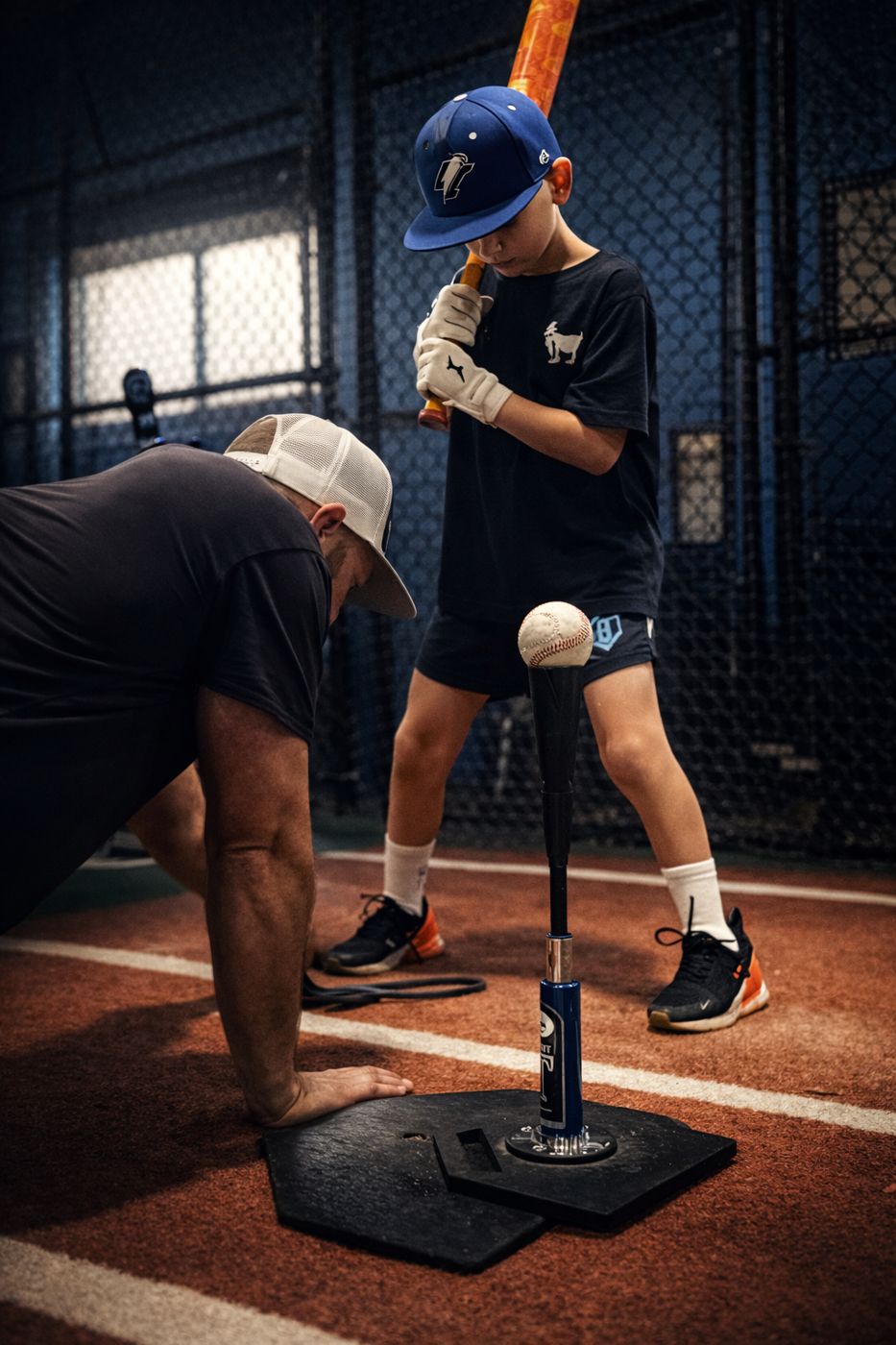
In this article14 sections · tap to jump
Long Island has no shortage of baseball instructors, private facilities, travel organizations, former professional players, and team coaches offering hitting lessons.
More options should make the decision easier. For many parents, it makes it harder.
Who actually understands the swing? Who can communicate with your child? Who has a real development system? Who will help the work show up in games instead of only making the player look better during batting practice?
When parents search for the best hitting coach on Long Island, they often begin by comparing playing credentials, facilities, prices, social-media videos, or recommendations from other families. Those things can provide useful information, but none of them answers the most important question:
Is this coach the right teacher for my hitter?
A great playing résumé does not automatically make someone a great instructor. A beautiful facility does not guarantee an individualized plan. Hard batting-practice contact does not prove that a hitter is learning how to recognize pitches, make decisions, adjust, and compete.
The right hitting coach should help the player become less dependent on constant instruction—not more dependent on it.
Use these 10 questions to compare hitting coaches and choose the development environment that fits your player.
1. Does the Coach Begin With an Assessment—or Immediately Start Giving Drills?
Before a coach can prescribe a solution, the coach has to understand the hitter.
A meaningful initial assessment should look at more than one swing off a tee. Depending on the player’s age and goals, it may include:
The coach should also ask about the player’s age, team level, training history, current struggles, short-term goals, and long-term goals.
If every player receives the same drill during the first five minutes, the instruction is probably being built around the coach’s system instead of the hitter’s actual needs.
What to ask: “How do you evaluate a new hitter before deciding what to work on?”
2. Can the Coach Explain What Is Happening in Language the Player Understands?
Identifying a problem is only part of coaching. The player has to understand it well enough to make a change.
Technical knowledge loses value when it is buried under complicated terminology, delivered through six corrections at once, or explained only to the parent.
A good coach can take a complex movement and give the hitter:
The explanation should also change with the player. An 11-year-old, high-school varsity player, and college hitter should not receive the same language or level of detail.
After the lesson, ask your child to explain what was being worked on. If the player cannot describe it in simple terms, the instruction may not have truly connected.
What to ask: “How do you help players understand and eventually correct their own swing?”
3. Does the Coach Teach the Individual Hitter—or Force Everyone Into One Swing Model?
Great hitters do not all stand, load, stride, or move exactly the same way.
Some use a leg kick. Some use a toe tap. Some lift the heel. Some have more hand movement. Some start more open or closed. Those differences are not automatically flaws.
The important question is whether the hitter can consistently arrive in a strong position to see the pitch, make a decision, adjust the barrel, and create hard contact.
The right coach should protect what makes the hitter athletic while improving the movements that are creating problems. Coaching should not erase a player’s identity in pursuit of a picture-perfect swing.
Look for a coach who distinguishes between:
What to ask: “Do you teach one preferred swing, or do you build around how each player moves?”
4. Does Training Include the Mental Side of Hitting—or Only Mechanics?
The swing matters, but the swing does not operate by itself.
A hitter must also recognize the pitch, understand the count, manage the strike zone, hunt an area, adjust with two strikes, and understand what the game situation requires.
A technically sound swing cannot help a player who consistently attacks pitches that cannot be driven. A hitter without a plan may rush the movement because every pitch feels like an emergency. A player who does not recognize how the pitcher is attacking will repeat the same mistake across several at-bats.
Hitting is 50% from the neck down and 50% from the neck up:
The best private hitting instruction should develop both.
What to ask: “How do you train approach, pitch recognition, count awareness, and in-game adjustments?”
5. Does the Training Progress Toward Game-Like Decisions?
Tee work and controlled front toss are valuable. They allow hitters to learn a movement without being overwhelmed by pitch speed and location.
The problem is when training never progresses beyond predictable reps.
During a game, the hitter does not know whether the next pitch will be a fastball, breaking ball, strike, ball, inside pitch, outside pitch, or mistake over the plate. The player has to see, decide, move, and adjust under time pressure.
Training should progress through stages:
If the player only succeeds when every pitch is known, the training has built a controlled swing—not yet a game-ready hitter.
What to ask: “How do you make sure the cage work transfers into real at-bats?”
6. Does the Coach Use Video and Data With a Clear Purpose?
Video and hitting technology can reveal patterns that are difficult to see at full speed. Tools such as Blast Motion can establish baselines for bat speed, on-plane efficiency, rotational acceleration, attack angle, connection, and time to contact.
But more numbers do not automatically create better coaching.
Data should help answer a specific question:
A coach should be able to explain what a metric means, why it matters for that particular player, and what—if anything—should be changed because of it.
Be cautious when numbers are presented without context or when every player is expected to chase the same benchmark.
What to ask: “How do video and swing data change the way you coach the individual player?”
7. Is There a Development Plan Beyond the Lesson?
One good session can give a player clarity. Long-term improvement requires consistent work with direction.
Parents should know what the hitter is working toward, what should be practiced between sessions, and what the next progression will be.
A real plan may include:
Without a plan, lessons can become a collection of unrelated drills based on whatever looked wrong that day.
The goal is not to keep a player permanently attached to lessons. The goal is to give the hitter the understanding and tools to keep developing away from the coach.
What to ask: “What will my child work on between sessions, and how will the plan progress?”
8. How Does the Coach Measure Progress?
Batting average alone does not tell the entire story.
A hitter can make a poor decision, produce weak contact, and still collect a hit. Another hitter can control the zone, square up a difficult pitch, and line out directly at a defender.
Useful progress markers may include:
The right measurements depend on the player’s age, current level, and goals. An eight-year-old building movement confidence should not be evaluated the same way as a varsity player preparing for college recruiting.
What to ask: “How will we know the training is working beyond batting average?”
9. How Does the Coach Communicate With the Player and Parent?
Parents should understand what is being worked on and why. Players should receive the instruction directly and gradually take ownership of their development.
Healthy communication may include:
The coach should be honest without humiliating the player, supportive without avoiding accountability, and confident without pretending to have an instant fix for everything.
The player should leave knowing what was done well, what needs improvement, and what to do next.
What to ask: “How do you keep players and parents informed without giving the hitter too much information?”
10. Is the Coach Building Confidence Through Preparation—or Selling Quick Fixes?
Real confidence is earned.
It grows when a hitter understands the plan, trusts the movement, has faced difficult situations in training, and knows how to respond when an at-bat does not go perfectly.
Be cautious of guarantees, instant transformations, constant mechanical changes, or dramatic promises based on one lesson. Hitting development is rarely a straight line. Players grow, change bats, face better pitching, experience slumps, and need different solutions at different stages.
The right coach should challenge the player while creating an environment where failure becomes information instead of something to fear.
Ultimately, the coach should be developing an intelligent, confident, adaptable hitter—not simply producing attractive batting-practice videos.
What to ask: “How do you teach players to handle failure and make adjustments independently?”
Comparing Your Long Island Hitting-Coach Options
Different training environments can all provide value. The right choice depends on what your hitter needs.
The best answer may involve more than one environment. Team practice can teach team responsibilities while private instruction addresses individual development. The important part is that the messages do not conflict and the player understands the main priority.
Warning Signs Parents Should Not Ignore
Continue asking questions if you notice any of these patterns:
One imperfect session does not make someone a bad coach. Look for repeated patterns and whether the overall process is helping your child gain clarity, ownership, and usable skill.
What Parents Should Leave With After the First Assessment
After an initial assessment, you should understand:
You should not need a 30-page report to understand the direction. The plan should be specific enough to create confidence and simple enough to follow.
Frequently Asked Questions
Who is the best hitting coach on Long Island?
There is no single coach who is automatically best for every player. The best hitting coach on Long Island for your child is someone who can accurately evaluate the player, communicate clearly, individualize instruction, develop mechanics and approach, and show how training will progress toward game performance.
What age should a child begin private hitting lessons?
There is no universal starting age. Younger players benefit when instruction remains simple, athletic, and confidence-building. Private training becomes valuable when the player wants additional help, needs individual attention, or is ready to practice consistently between sessions.
How often should a player work with a hitting coach?
Frequency depends on the player’s goals, season, availability, and the size of the change being made. Players building a new foundation often benefit from more frequent early instruction, while in-season players may need less frequent maintenance and adjustment work. Productive practice between lessons matters as much as the number of sessions.
Should a hitting coach use Blast Motion or other technology?
Technology is helpful when it supports a clear evaluation and development plan. It should not replace observation, video, player communication, swing decisions, or game context. Parents should ask how the coach interprets the information and uses it to guide training.
Can team practice replace private hitting instruction?
Team practice and private instruction serve different purposes. Team coaches must prepare an entire roster and may not have enough time to diagnose every hitter individually. Private instruction can provide a deeper assessment and customized plan, while team practice gives the player opportunities to apply the work within team situations.
THE NEXT STEP
WANT THIS DIAGNOSED ON YOUR HITTER?
Your hitter probably doesn’t need more random swings. They need to know what they’re actually trying to fix.
Start with an Initial Hitting Assessment — video analysis, swing and mechanics evaluation, approach and hitting-IQ review, and a clear development plan.